

Faroxy 40mg Oxycodone: Product Identification and Pharmaceutical Verification
Faroxy 40mg Oxycodone is a product name associated with oxycodone, a prescription opioid used to manage certain types of severe pain under medical supervision. Oxycodone acts on opioid receptors in the central nervous system, changing how the body perceives and responds to pain. Because opioid medications carry significant risks, reliable product identification and pharmaceutical verification are essential.
A product name, advertised dosage, or claim of pharmaceutical quality does not independently establish the contents of a tablet. Authenticity, strength, and composition must be supported by reliable evidence. This is particularly important for opioid products, as counterfeit tablets can resemble legitimate medication while containing different substances or unpredictable quantities of active ingredients.
This guide explains the Faroxy 40mg product description, the importance of pharmaceutical documentation, methods of verification, and key safety considerations associated with oxycodone.
Understanding the Faroxy 40mg Product Name
Faroxy 40mg is a product designation presented in connection with oxycodone. However, the name alone cannot establish that a product contains oxycodone or that each tablet contains the stated amount.
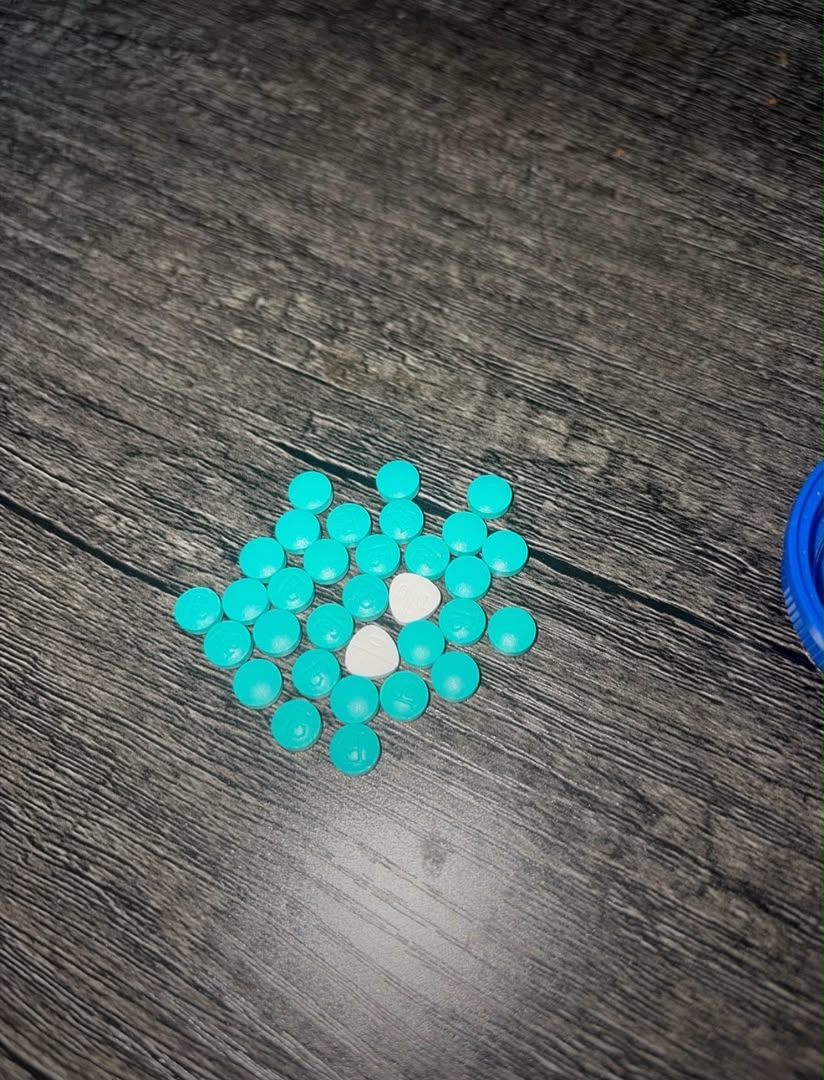
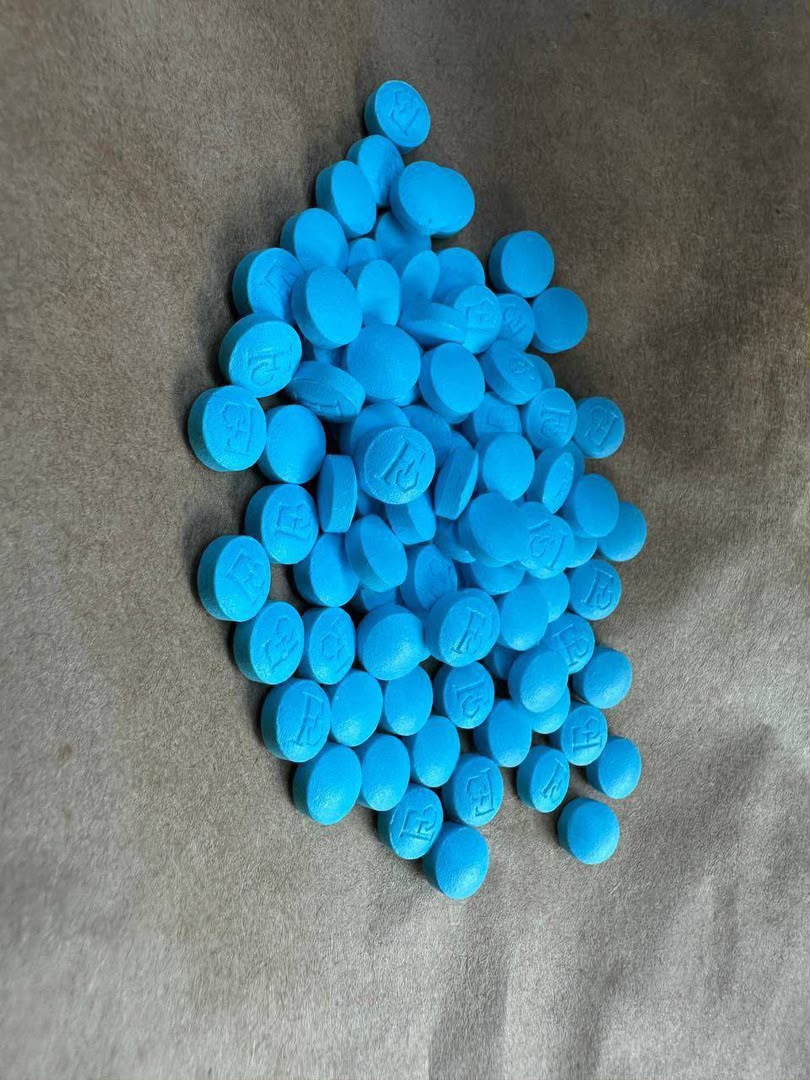
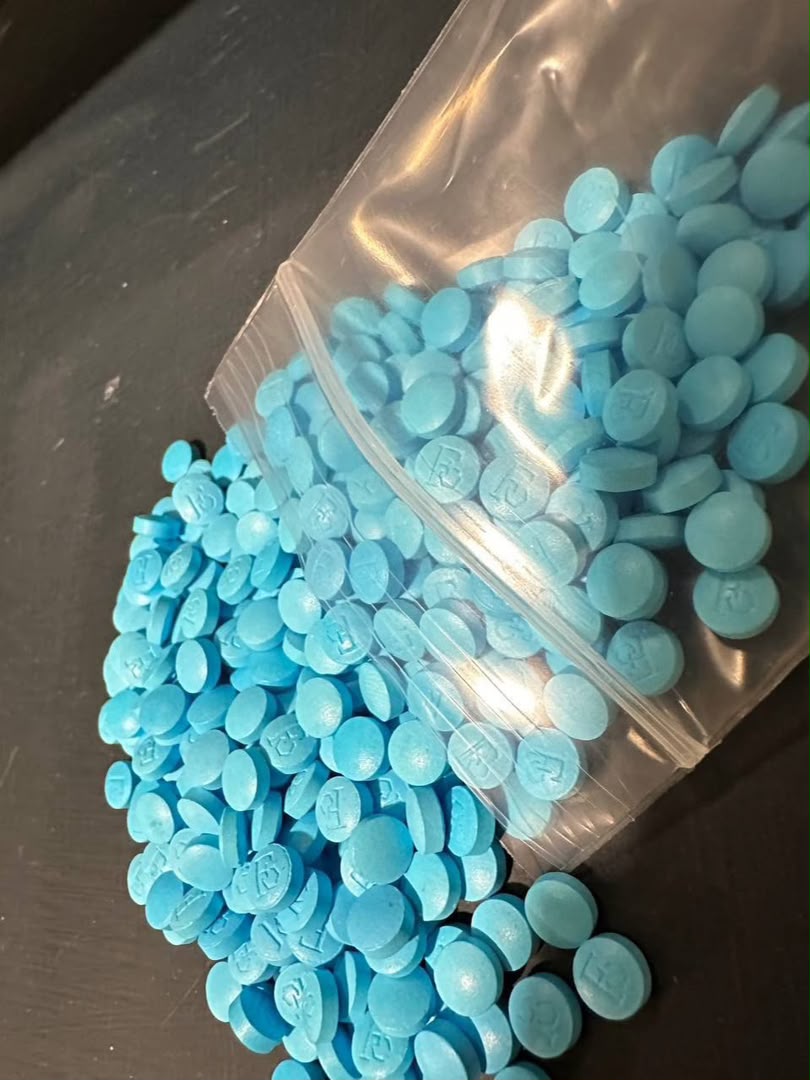
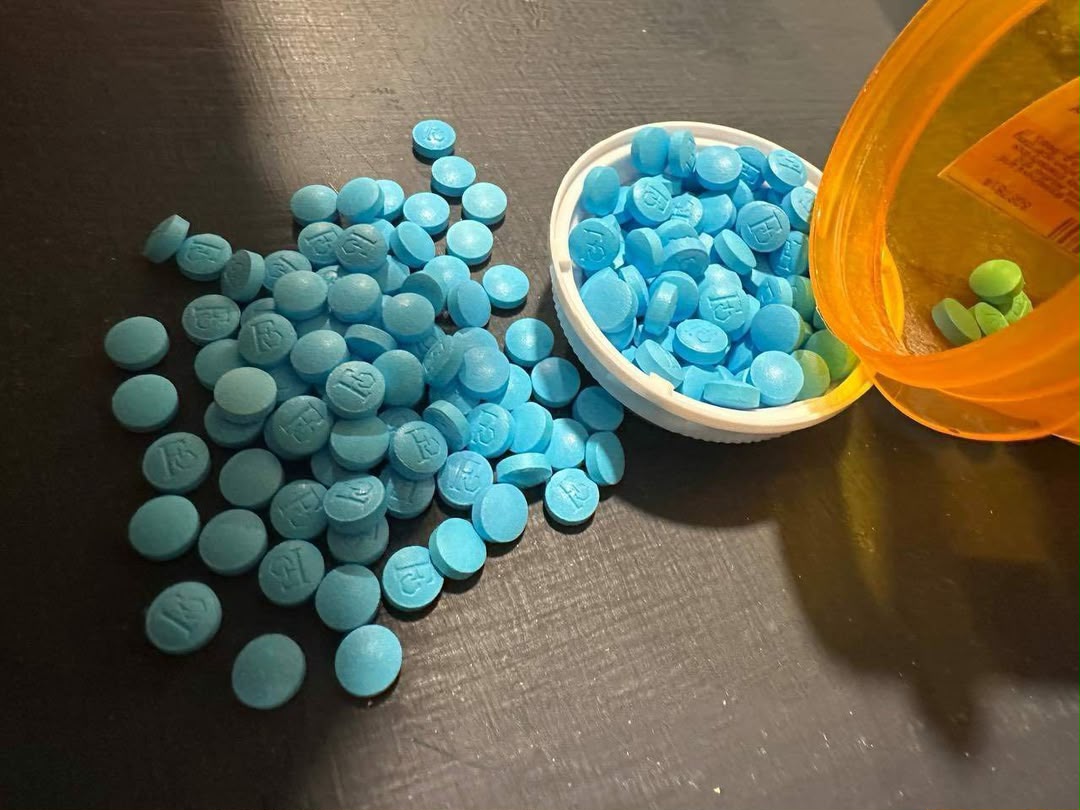
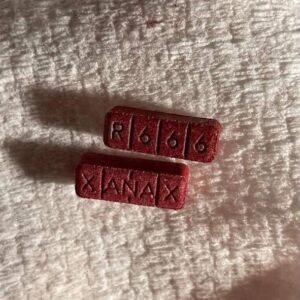
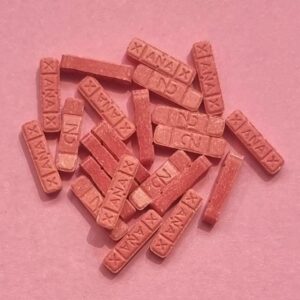
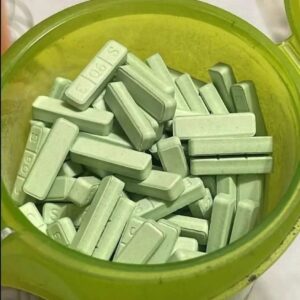
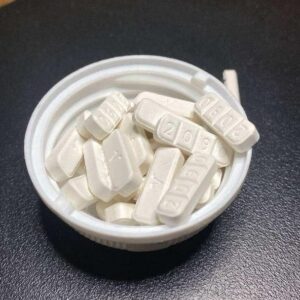
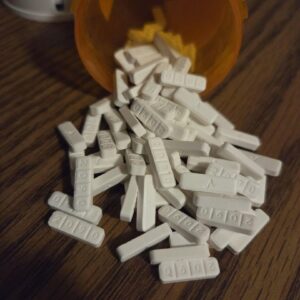
Product names and packaging may be copied or misrepresented. A tablet’s color, shape, imprint, or appearance in an online photograph is not sufficient to confirm its identity. Products obtained through unverified channels may contain undisclosed ingredients, inconsistent strengths, or potentially dangerous contaminants.
For that reason, the Faroxy name and advertised dosage should be treated as claims requiring verification. A licensed pharmacist or qualified healthcare professional can advise on appropriate identification procedures and the documentation needed to assess a medication’s origin.
What Does the 40mg Strength Indicate?
A 40mg label describes a claimed quantity of an active ingredient per dosage unit. It does not prove that an unverified tablet contains that quantity—or even that it contains the ingredient named in the listing.
Strength accuracy is particularly important for opioids. The effects of oxycodone can vary according to the amount taken, a person’s opioid tolerance, their health circumstances, and the presence of other medicines or substances. A discrepancy between the advertised and actual contents can lead to serious or potentially fatal consequences.
The appropriate strength and dosage of prescribed oxycodone must be determined by an authorized healthcare professional. An online product description cannot establish that a particular strength is appropriate for an individual or that a tablet is suitable for medical use.
Pharmaceutical Quality and Verification
Pharmaceutical quality involves more than branding or a statement that a product is genuine. A credible assessment considers the manufacturer’s identity, distribution history, supporting documentation, regulatory status, and—where needed—appropriate laboratory analysis.
Important verification considerations include:
- Manufacturer information: The claimed manufacturer should be identifiable through reliable, independent records.
- Traceable distribution: The product should come through an authorized pharmaceutical supply chain where required by local regulations.
- Packaging and batch details: Relevant labeling and batch information should be consistent and verifiable.
- Regulatory documentation: Applicable registration and authorization should be checked through appropriate official sources.
- Laboratory analysis: A qualified laboratory may be able to assess chemical identity and strength using validated analytical methods.
No single item of evidence necessarily establishes every aspect of quality. For example, authentic-looking packaging does not prove chemical composition, and a laboratory result identifying an ingredient does not automatically establish the product’s manufacturing history or regulatory approval.
Why Branding Cannot Confirm Authenticity
Branding can help distinguish products when supported by reliable manufacturer records. However, a name such as Faroxy should not be treated as proof of origin or pharmaceutical quality without independent evidence.
Counterfeit products can reproduce names, labels, and other visual details. A convincing photograph may therefore provide a false sense of confidence. Even packaging that appears complete cannot establish the precise contents or dosage of an uncertain tablet.
If a product’s identity cannot be confirmed, it should not be consumed or tested at home. Do not taste, crush, or otherwise experiment with an unknown tablet. Consult a licensed pharmacist or healthcare professional about appropriate verification and safe next steps.
Medical Uses of Oxycodone
Oxycodone is an opioid analgesic prescribed for certain pain conditions when a healthcare professional determines that opioid treatment is appropriate. By acting on receptors involved in pain signaling, it can reduce the perception of pain.
Its clinical benefits must be balanced against potential adverse effects. These may include nausea, constipation, dizziness, drowsiness, impaired coordination, and physical dependence. More serious risks include respiratory depression, overdose, and death.
Risk can increase when oxycodone is taken in quantities greater than prescribed, obtained from an uncertain source, or combined with substances that suppress the central nervous system. Treatment decisions should therefore be made with a qualified healthcare professional rather than based on product descriptions or online claims.
Medication Interactions and Precautions
Oxycodone can interact dangerously with alcohol, benzodiazepines, sleeping medications, other opioids, and other central nervous system depressants. These combinations can intensify sedation and cause breathing to slow to a life-threatening degree.
Anyone prescribed oxycodone should tell their prescriber or pharmacist about their other medications and substances. They should follow their prescription instructions and seek professional advice before making changes to treatment.
Oxycodone should only be used by the person for whom it was prescribed. It should never be shared with another person, even if that person experiences similar symptoms.
Recognizing an Opioid Emergency
An opioid overdose is a medical emergency. Warning signs may include unusually slow or irregular breathing, extreme drowsiness, inability to wake the person, limpness, blue or grey lips, or unusual choking and gurgling sounds.
If an overdose is suspected, contact local emergency medical services immediately. Administer naloxone if available and follow the emergency responder’s instructions. If the person is not breathing normally, follow the dispatcher’s guidance for rescue breathing or CPR if you are able to provide it. Do not leave the person alone.
Emergency medical assessment remains important even if the person appears to improve after naloxone, because opioid effects can last longer than the medication used to reverse the overdose.
Responsible Product Information
Reliable pharmaceutical information should distinguish between verified details and unconfirmed claims. A product’s name, advertised strength, or description as pharmaceutical-grade should not be presented as proof of authenticity unless appropriate evidence supports that statement.
For a product intended to be a legitimate prescription medicine, the manufacturer, supply chain, documentation, and applicable regulatory status should be checked through authorized channels. Where uncertainty remains, a qualified laboratory may help establish chemical identity and strength.
Descriptions should avoid unsupported assurances about purity, safety, authenticity, or medical suitability. Requirements for prescription medicines and their distribution vary by jurisdiction, so relevant local regulations must also be considered.
Frequently Asked Questions
Does the Faroxy 40mg name prove that a tablet contains oxycodone?
No. A product name or label cannot independently establish the tablet’s ingredients or strength. Reliable verification is required.
Does a 40mg label guarantee the actual dosage?
No. The stated strength is a claim until supported by appropriate pharmaceutical documentation or validated testing.
Can packaging prove that a product is genuine?
Packaging can provide useful information, but its appearance alone cannot confirm authenticity or chemical composition.
What should someone do if the product’s identity is uncertain?
Do not take the tablet. Consult a licensed pharmacist or healthcare professional about safe identification and verification options.
Can laboratory testing establish product quality?
Appropriate laboratory analysis can help establish chemical identity and strength. Additional evidence may still be needed to confirm manufacturing history, supply-chain traceability, and regulatory status.
Conclusion
Faroxy 40mg Oxycodone is a product name associated with oxycodone, a prescription opioid used to manage certain types of pain. However, the name, advertised dosage, branding, and packaging cannot independently confirm a tablet’s identity, strength, or pharmaceutical quality.
Reliable documentation, traceable sourcing, appropriate testing, and professional guidance are important whenever medication authenticity is uncertain. Oxycodone also carries serious risks, including dependence, respiratory depression, and potentially fatal overdose. The responsible approach is to obtain prescription medication through authorized channels, rely on qualified healthcare professionals, and avoid using products whose contents cannot be verified with confidence.



Reviews
There are no reviews yet.