



K9 30 mg Oxycodone Presses: Pharmaceutical Identification and Opioid Safety
Introduction to Oxycodone
Oxycodone is a prescription opioid medication used to manage certain types of moderate to severe pain under professional medical supervision. It acts on opioid receptors in the central nervous system, changing how the body processes and perceives pain. Although it has an established medical role, oxycodone can also cause serious adverse effects, including respiratory depression, physical dependence, and potentially fatal overdose.
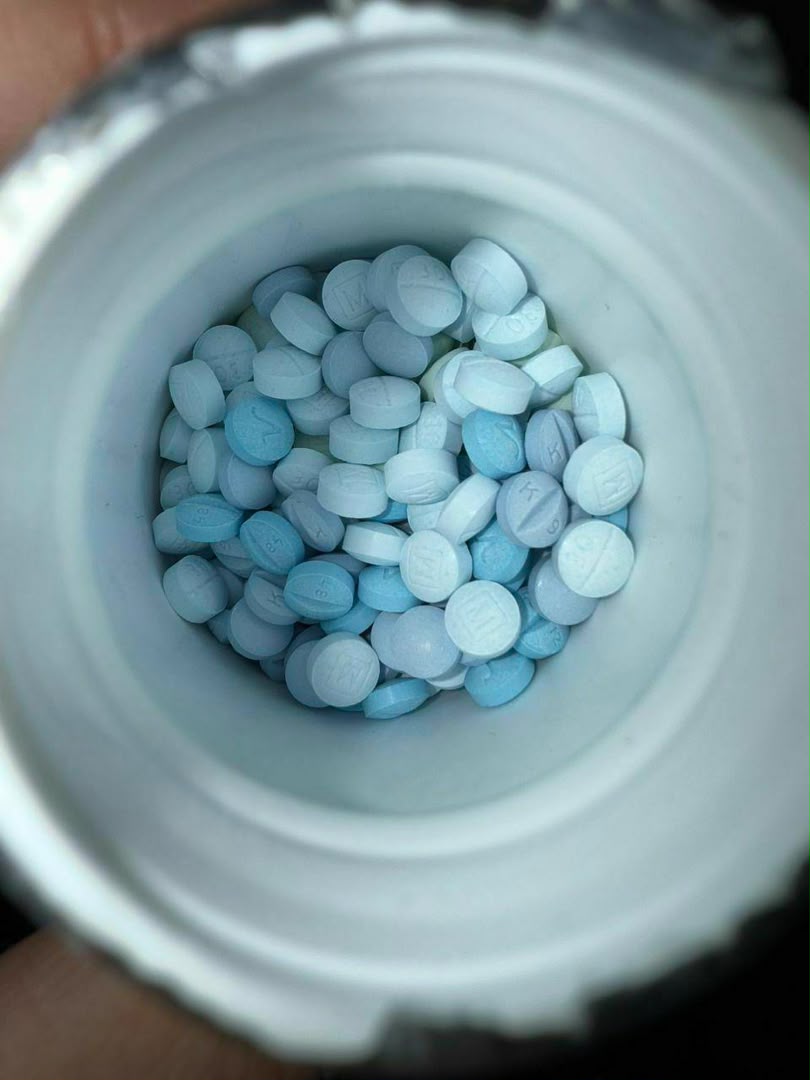
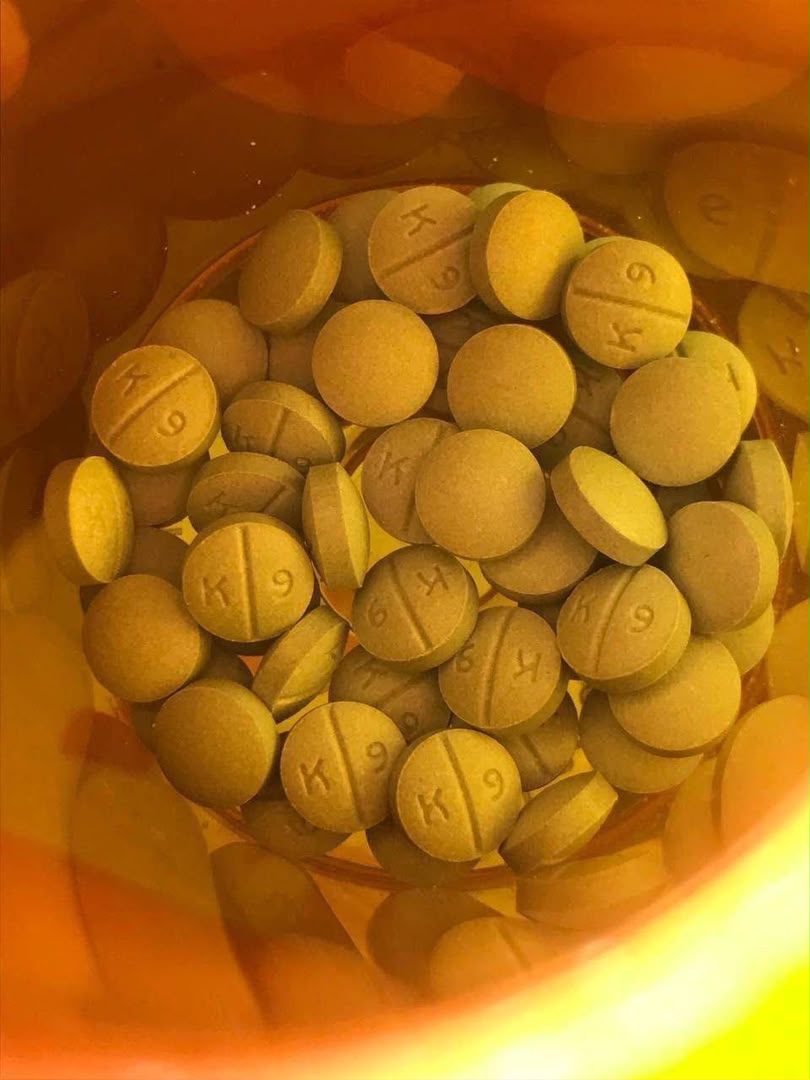
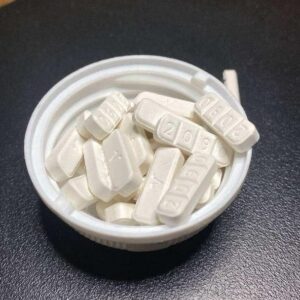
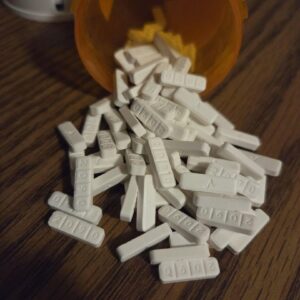
The term K9 30 mg oxycodone press is a product description that may refer to tablets bearing a particular marking. However, a tablet’s appearance, imprint, or advertised strength does not establish its identity or contents. Counterfeit tablets may imitate legitimate pharmaceutical products while containing unexpected substances or different amounts of active ingredients.
Understanding oxycodone requires examining its medical use, pharmacological action, tablet identification, and potential risks. These distinctions are especially important when a product’s origin and manufacturing standards cannot be independently verified.
What Is Oxycodone?
Oxycodone is a semi-synthetic opioid derived from thebaine, an alkaloid found in the opium poppy. In regulated medical settings, healthcare professionals may prescribe it for pain when an opioid is considered appropriate.
Legitimate oxycodone medicines are manufactured according to applicable pharmaceutical standards and supplied through regulated distribution channels. Their packaging identifies the product, strength, manufacturer, and other required information.
An informal product name or online description is not equivalent to this regulated documentation. In particular, claims such as pharma-grade, authentic, or 30 mg should not be treated as verified facts unless supported by reliable evidence.
How Oxycodone Works in the Body
Oxycodone acts primarily on mu-opioid receptors in the central nervous system. These receptors participate in the regulation of pain signals and other physiological processes.
When oxycodone activates opioid receptors, it can reduce the perception of pain. The same pharmacological activity can also affect alertness, gastrointestinal function, and the brain’s control of breathing.
This explains why the medication can provide pain relief when appropriately prescribed while also carrying substantial risks. Its effects depend on factors such as individual physiology, other medicines, the formulation, and the person’s medical history.
Opioids affect several systems at once, so their safety cannot be assessed solely by considering their intended pain-relieving action.
Understanding the Meaning of a 30 mg Label
A strength designation describes the amount of active pharmaceutical ingredient that a verified medicine is intended to contain. However, a number printed in a product listing or stamped onto a tablet does not independently confirm its contents.
A counterfeit tablet may imitate the appearance of a legitimate medicine while containing a different opioid, another drug, an inconsistent amount of an ingredient, or no oxycodone at all.
For this reason, a description of a tablet as K9 30 mg should not be interpreted as proof of its chemical identity or dosage. Similarly, the number of tablets in a package does not provide evidence about manufacturing quality, purity, or safety.
Reliable identification depends on appropriate pharmaceutical verification and, when necessary, qualified laboratory analysis.
What Does “Pharma-Grade” Mean?
The phrase pharmaceutical-grade suggests that a substance meets defined quality requirements. In regulated manufacturing, pharmaceutical quality systems address matters such as ingredient identity, strength, purity, consistency, contamination control, and production standards.
However, the phrase can also be used informally in online listings without independent verification. A seller’s claim alone does not demonstrate that a tablet was produced by a licensed manufacturer or met pharmaceutical quality requirements.
Packaging and labels can be copied, and tablet markings can be imitated. Consequently, a product should not be considered authentic merely because it resembles a known prescription medicine.
For a legitimate prescription product, the appropriate approach is to obtain it through a licensed pharmacy and consult a pharmacist or other qualified healthcare professional if its authenticity is uncertain.
Pharmaceutical Identification and Laboratory Testing
Identifying an unknown tablet can require more than visual inspection. Tablet colour, shape, and imprints may provide clues, but they cannot reliably establish the active ingredients or their concentrations.
Qualified laboratories can use validated analytical methods to investigate chemical composition. Depending on the sample and purpose of testing, techniques such as chromatography and mass spectrometry can help identify active compounds and detect certain unexpected ingredients.
Different testing methods have different capabilities. A preliminary screening result may not provide the same level of confirmation as a validated analytical procedure, and no test should be assumed to identify every possible contaminant.
Even when an ingredient is detected, further analysis may be needed to determine its concentration. This is particularly relevant when the tablet’s advertised strength has not been independently verified.
Medical Uses and Professional Supervision
Oxycodone may be prescribed for specific pain conditions when a healthcare professional determines that its potential benefits justify its risks. Treatment decisions take account of the nature of the pain, the patient’s medical history, other medicines, and the availability of alternative approaches.
Prescribed opioid treatment involves careful consideration of dose, formulation, duration, and follow-up. Patients should follow the instructions provided by their prescriber and pharmacist rather than relying on informal descriptions or advice from unverified sources.
A tablet obtained outside the regulated supply chain cannot be assumed to have the same composition or predictable effects as a prescribed medicine.
Anyone with questions about a legitimate prescription should discuss them with their healthcare professional. They should not change their prescribed treatment without appropriate medical guidance.
Opioid Risks and Respiratory Depression
One of the most serious risks associated with oxycodone is respiratory depression, in which breathing becomes dangerously slow or shallow. Severe respiratory depression can deprive the brain and other organs of oxygen and may result in death.
Other possible adverse effects include drowsiness, dizziness, nausea, constipation, and impaired coordination. Oxycodone can also cause physical dependence, and repeated exposure may lead to tolerance.
Risk can increase when opioids are combined with alcohol, benzodiazepines, sleeping medicines, or other substances that suppress the central nervous system. Such combinations may intensify sedation and breathing difficulties.
Because an unverified tablet may contain unexpected ingredients, its risks may be greater or different from those associated with a known prescription medicine.
Recognising a Possible Opioid Overdose
An opioid overdose is a medical emergency. Warning signs can include unusually slow or irregular breathing, inability to wake the person, limpness, and blue, grey, or unusually pale lips or skin.
If an overdose is suspected, contact local emergency medical services immediately. If naloxone is available, administer it according to its instructions. Stay with the person and follow the emergency dispatcher’s guidance; rescue breathing or CPR may be needed if the person is not breathing normally and the responder is able to provide it.
Naloxone can temporarily reverse opioid effects, but its effects may wear off before the opioid has left the body. Emergency medical evaluation remains essential even if the person appears to recover.
When an unknown tablet may be involved, do not assume that its imprint accurately identifies the substance responsible.
Legal and Public-Health Considerations
Oxycodone is a controlled prescription medication in many jurisdictions. Rules governing possession, prescribing, distribution, importation, and supply vary by location.
Public-health authorities also monitor counterfeit medicines because they can expose people to substances or concentrations that differ from what is advertised. Reliable pharmaceutical supply chains, appropriate testing, and accurate information help reduce these risks.
Scientific and medical discussions of oxycodone should distinguish verified pharmaceutical products from unconfirmed tablets marketed under informal names. This distinction helps prevent misleading claims about authenticity, strength, and safety.
Conclusion
Oxycodone is a prescription opioid with an established role in pain management, but it also carries significant risks, particularly respiratory depression, dependence, and overdose. A product description such as K9 30 mg oxycodone press does not independently establish the tablet’s identity, strength, or manufacturing quality.
Claims that a tablet is authentic or pharmaceutical-grade require reliable verification. Legitimate medicines should be obtained through regulated healthcare channels, and unknown tablets should not be assumed safe based on their appearance or markings.
Understanding opioid pharmacology, pharmaceutical identification, and overdose risks is essential for making informed health decisions and recognising when professional medical assistance is needed.



Reviews
There are no reviews yet.