









2C-B (4-Bromo-2,5-Dimethoxyphenethylamine): Overview and Safety Information
Product Overview
2C-B CAPSULES
2C-B, formally known as 4-bromo-2,5-dimethoxyphenethylamine, is a synthetic psychoactive substance belonging to the phenethylamine family. It is primarily classified as a psychedelic because of its potential to alter sensory perception, mood, and thought processes.
The term “2C-B capsule” or “2C-B pill” is commonly used to describe a preparation represented as containing this substance. However, product names, packaging, and advertised specifications do not independently establish chemical identity, purity, or composition.
Understanding the chemistry, reported effects, and potential risks associated with 2C-B is important when evaluating information about this substance. Its effects can vary substantially between individuals, and unexpected reactions may occur when the contents of a product are uncertain.
1. Chemical Background
2C-B belongs to a group of synthetic compounds known as the 2C series. These compounds share aspects of their chemical structure but can differ in their pharmacological properties and effects.
As a psychedelic, 2C-B can influence sensory processing and the interpretation of environmental stimuli. Its effects are associated in part with interactions involving serotonin receptors, which participate in regulating mood, perception, and cognition.
The precise experience may vary depending on individual physiology, the substance’s actual composition, other medications or substances, and environmental conditions.
Although 2C-B is sometimes discussed alongside stimulants and empathogens, it is generally categorized primarily as a psychedelic. These categories can overlap in certain subjective effects, but they describe different pharmacological characteristics.
2. Appearance and Physical Characteristics
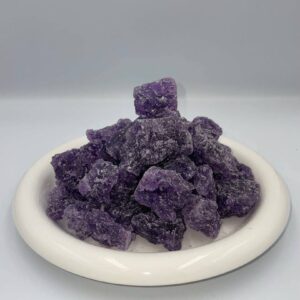
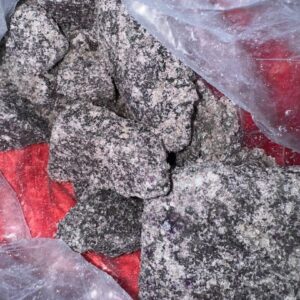
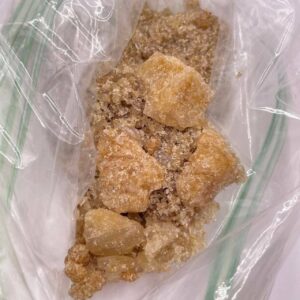
Preparations represented as 2C-B may differ in appearance. Tablets may be white, pink, yellow, purple, or another color. They may also vary in shape, size, thickness, and markings.
Some preparations may be described as capsules rather than tablets. However, the form of a product does not establish which substance it contains.
Commonly described physical characteristics include:
- Color: May vary depending on formulation, dyes, and other ingredients.
- Shape: Tablets can have round, rectangular, or other forms.
- Markings: Logos, symbols, numbers, or decorative imprints may be present.
- Size: Dimensions and thickness can differ between products.
- Preparation: Products may be presented in tablet or capsule form.
These characteristics are not reliable indicators of chemical identity. Products that look similar can contain different compounds, while products with similar markings may differ in their actual contents.
Laboratory analysis is necessary to identify the chemical components of an unknown sample.
3. Reported Psychological Effects
2C-B is associated with changes in perception, mood, and cognition. Reported experiences can vary considerably, and no particular effect is guaranteed.
Potential psychological and perceptual effects include:
- Changes in visual perception, such as altered colors or patterns.
- Increased sensitivity to environmental stimuli.
- Changes in mood and emotional responses.
- Altered perception of time.
- Changes in attention and thought processes.
- Unusual or intensified sensory experiences.
The character of these effects can differ between individuals. Some people may experience curiosity or emotional changes, while others may experience anxiety, confusion, panic, or distressing perceptual disturbances.
A person’s expectations and surroundings may influence subjective experiences, but they cannot reliably predict the intensity or safety of the outcome.
4. Physical Effects
In addition to psychological effects, 2C-B may cause physical changes. Possible effects include increased heart rate, elevated blood pressure, nausea, sweating, tremors, muscle tension, and changes in body temperature.
The severity of these reactions can vary. Individual health, the substance’s actual composition, and interactions with other substances may influence the risks.
Unknown ingredients can create additional uncertainty. A product represented as containing one compound may contain other psychoactive substances or unexpected contaminants.
Severe physical symptoms should not be dismissed as an ordinary part of a psychedelic experience.
5. Pharmacology and Serotonin Receptors
Serotonin is a neurotransmitter involved in mood regulation, sensory processing, sleep, and numerous other physiological functions.
Classic psychedelics often produce their characteristic perceptual effects through interactions with serotonin receptors, particularly the 5-HT2A receptor. Research into psychedelic pharmacology examines how these interactions influence neural signaling and information processing.
The effects of a psychoactive substance cannot be explained by a single receptor alone. Different biological systems, individual characteristics, and environmental factors may all contribute to the overall experience.
Research into 2C-B and related compounds continues to inform scientific understanding of their pharmacology, potential effects, and associated risks.
6. Purity and Chemical Identification
Descriptions such as “99% purity” are claims that require appropriate analytical evidence. A stated strength or dosage on a label likewise does not independently confirm the amount or identity of a substance present.
Color, texture, logos, and packaging cannot establish purity. Nor can a product’s name guarantee that its contents match the advertised description.
Chemical analysis conducted by a qualified laboratory can help identify substances and assess their composition. Even when a particular compound is detected, this does not automatically establish that a sample is free from all hazards.
It is important to distinguish between an advertised specification and a verified analytical result.
7. Potential Health Risks
Psychedelic substances can cause unpredictable psychological and physical reactions. Potential concerns associated with 2C-B include acute anxiety, panic, confusion, cardiovascular strain, and other adverse effects.
The risk may be more difficult to assess when a product’s identity or composition is unknown. Combining psychoactive substances or taking them alongside certain medications may introduce further complications.
People with existing medical conditions may face additional risks, and individual reactions cannot be reliably predicted from appearance or product descriptions.
Emergency medical assistance is important if someone develops chest pain, seizures, severe agitation, dangerous overheating, collapse, or loss of consciousness following suspected exposure.
8. Responsible Interpretation of Product Information
When evaluating information about 2C-B, it is useful to distinguish scientific terminology from marketing language.
The chemical name identifies a particular compound, while informal labels and brand-style names may not have standardized meanings. Likewise, a tablet’s color or imprint is not a dependable chemical identifier.
Accurate descriptions should acknowledge uncertainty, avoid unsupported purity claims, and distinguish reported effects from established scientific findings.
Conclusion
2C-B (4-bromo-2,5-dimethoxyphenethylamine) is a synthetic psychedelic belonging to the phenethylamine family. It is associated with changes in sensory perception, mood, and thought processes, with effects that can vary considerably between individuals.
Its pharmacology involves interactions with neurotransmitter systems, including serotonin signaling. However, the actual effects and risks of an unknown preparation cannot be established from its name, appearance, packaging, or advertised specifications.
Reliable chemical analysis, accurate scientific information, and awareness of potential adverse reactions are important when assessing information about 2C-B.




Reviews
There are no reviews yet.