






MDMA AMETHYST
Product Overview
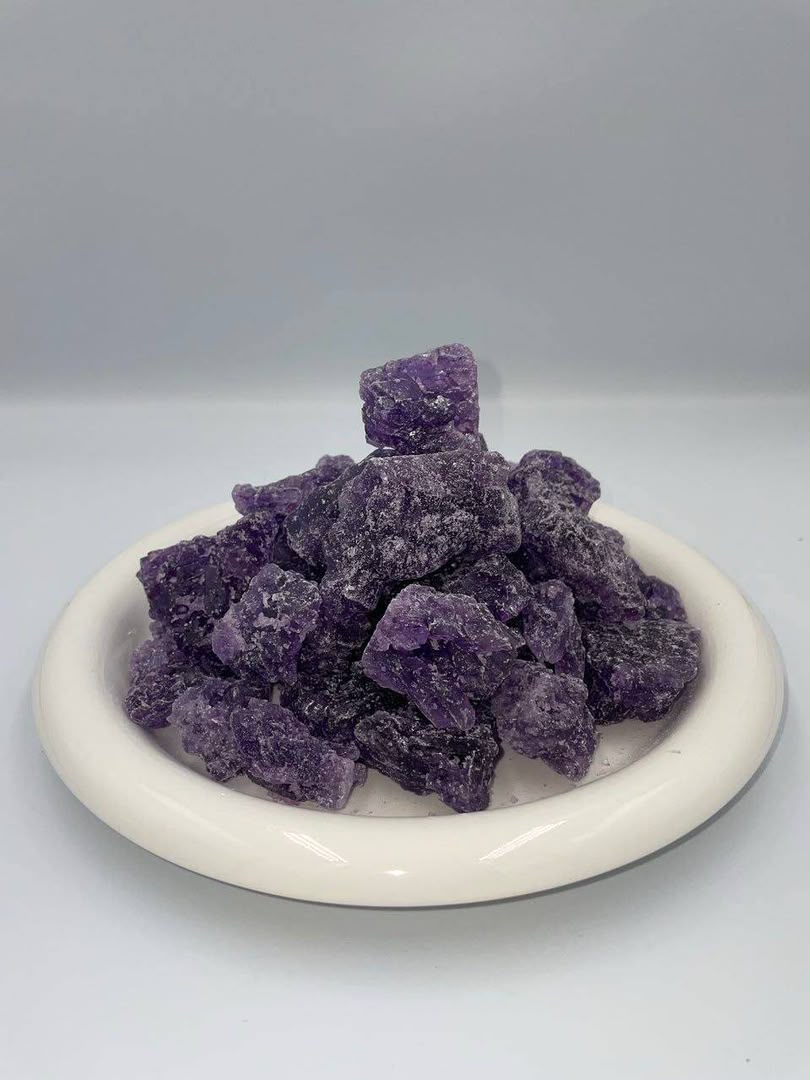
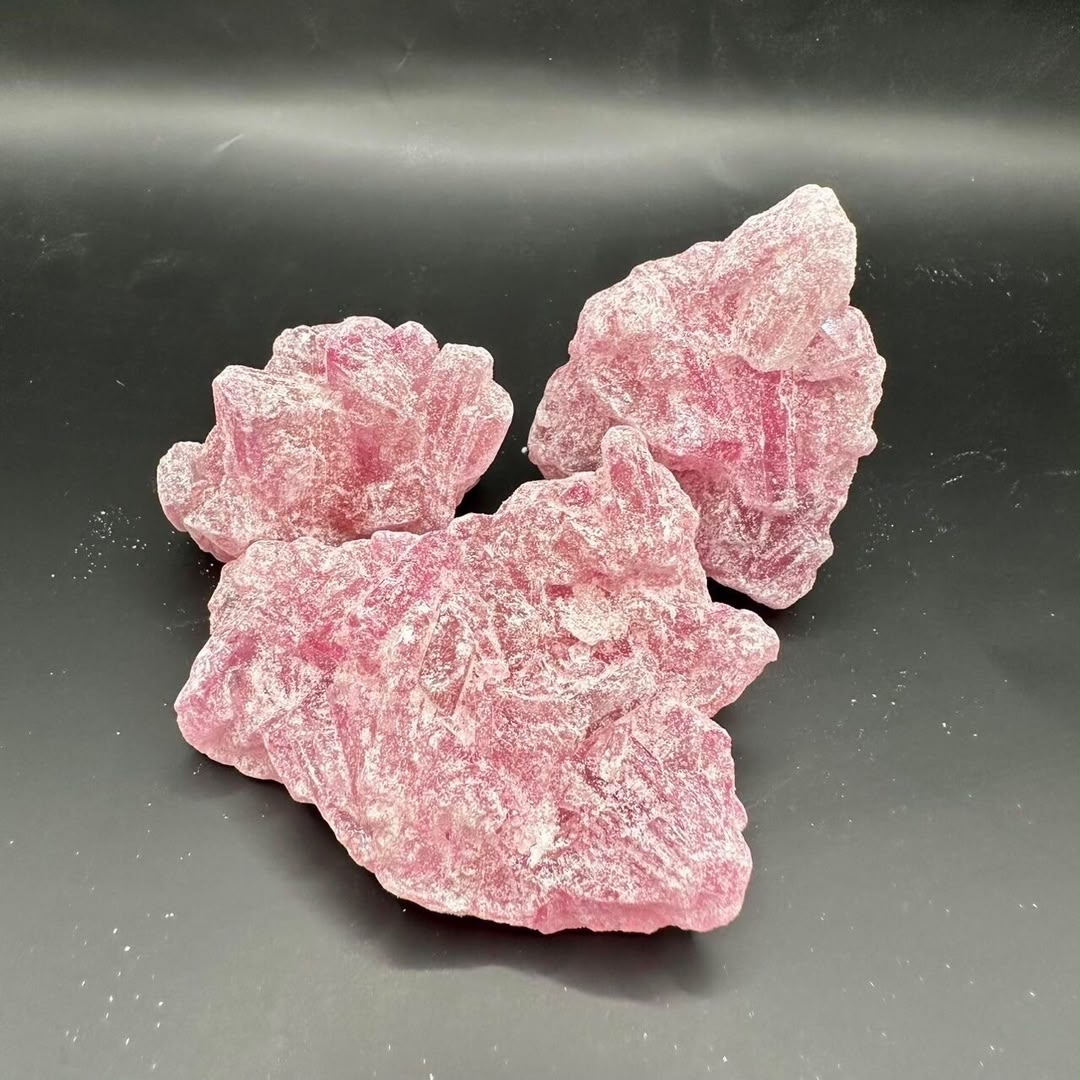
MDMA Amethyst is a descriptive name that may reference the purple gemstone or be used as a label for a substance represented as MDMA (3,4-methylenedioxymethamphetamine). MDMA is a psychoactive substance that affects mood, perception, energy levels, and emotional responses. The name “Amethyst” alone does not confirm the substance’s chemical identity, purity, or potency.
MDMA influences several neurotransmitter systems in the brain, particularly serotonin, dopamine, and norepinephrine. These chemical messengers contribute to mood regulation, emotional processing, motivation, alertness, and physiological responses. The substance’s effects can vary considerably between individuals, and its potential risks depend on several factors, including its actual composition and interactions with other substances.
1. Understanding MDMA and Neurotransmitters
Neurotransmitters are chemical messengers that enable nerve cells to communicate. MDMA affects the transport and signaling of several neurotransmitters, helping explain its reported psychological effects and potential toxicity.
A. Serotonin
Serotonin contributes to mood regulation, sleep, appetite, and emotional processing. MDMA interacts with the serotonin transporter, known as SERT, and can promote substantial serotonin release.
Changes in serotonin signaling are associated with reported effects such as elevated mood, emotional sensitivity, feelings of closeness, and altered sensory experiences. However, some individuals may experience anxiety, agitation, confusion, or other unwanted psychological effects.
Serotonin also participates in regulating body temperature and other physiological functions. Disruption of these processes can contribute to serious complications.
B. Dopamine
Dopamine plays an important role in motivation, reward, learning, attention, and movement. MDMA affects dopamine signaling, contributing to its stimulating and rewarding effects.
Changes in dopamine activity can influence energy, motivation, and emotional responses. However, these effects are complex and may also be associated with restlessness, impulsive behavior, and changes in attention.
Following exposure, some individuals report fatigue, low mood, or reduced motivation. These experiences may involve several factors, including disrupted sleep and changes across multiple neurotransmitter systems.
C. Norepinephrine
Norepinephrine helps regulate alertness, attention, and the body’s response to stress. It also contributes to cardiovascular activity and other automatic physiological processes.
MDMA increases norepinephrine signaling, which can contribute to an elevated heart rate, increased blood pressure, sweating, and increased body temperature. These effects may place additional strain on the cardiovascular system and can become dangerous under certain circumstances.
2. Reported Psychological Effects
MDMA has been associated with several psychological effects, although individual experiences vary. Reported effects include:
- Elevated mood or feelings of euphoria.
- Increased feelings of emotional closeness and empathy.
- Heightened sensitivity to music, touch, lights, and other sensory experiences.
- Increased energy and alertness.
- Changes in emotional responses and social interactions.
These effects involve interactions between multiple neurotransmitter systems. Individual physiology, surroundings, expectations, and other substances may influence the experience. Positive subjective effects do not establish that a substance is pure or safe.
3. Physical Effects and Potential Health Risks
MDMA may produce physical effects such as sweating, nausea, jaw clenching, muscle tension, increased heart rate, and elevated blood pressure.
More serious complications can include overheating, abnormal heart rhythms, seizures, liver or kidney injury, and dangerously low blood sodium. Severe disturbances in sodium levels can cause brain swelling and may be life-threatening.
Environmental conditions, prolonged physical activity, individual health, and interactions with medications or other substances can influence the severity of these risks.
4. Mood, Sleep, and Aftereffects
Some individuals report fatigue, irritability, difficulty concentrating, low mood, or disrupted sleep after the immediate effects have subsided.
These experiences cannot be attributed to a single neurotransmitter alone. Serotonin, dopamine, norepinephrine, sleep patterns, and other biological processes interact in complex ways.
Repeated exposure may carry additional risks, and persistent psychological or physical symptoms should be assessed by a qualified healthcare professional.
5. Identification and Product Naming
The term “Amethyst” is not a scientific identifier for MDMA. It may refer to a gemstone-inspired name, a visual description, or a label chosen by a seller.
A product’s name, color, crystal shape, or packaging cannot reliably establish its chemical identity, purity, or strength. Substances with similar appearances may contain different chemicals or unexpected contaminants.
Laboratory analysis is necessary to determine the composition of an unknown sample. Even identifying MDMA does not automatically establish that a sample is safe.
6. Important Safety Information
MDMA can cause serious adverse reactions, particularly when combined with certain medications, stimulants, or other psychoactive substances. Some interactions can affect serotonin signaling, cardiovascular function, or body temperature.
Emergency medical assistance is important if someone develops severe overheating, chest pain, confusion, seizures, collapse, or loss of consciousness following suspected exposure.
Conclusion
MDMA Amethyst is a descriptive name that may be associated with a substance represented as MDMA. MDMA affects serotonin, dopamine, and norepinephrine signaling, helping explain its reported effects on mood, emotional responses, motivation, and alertness.
However, the name “Amethyst” does not verify chemical identity, purity, or potency. Understanding the underlying science, individual variability, and potential health risks is essential when evaluating information about this substance.







Reviews
There are no reviews yet.