

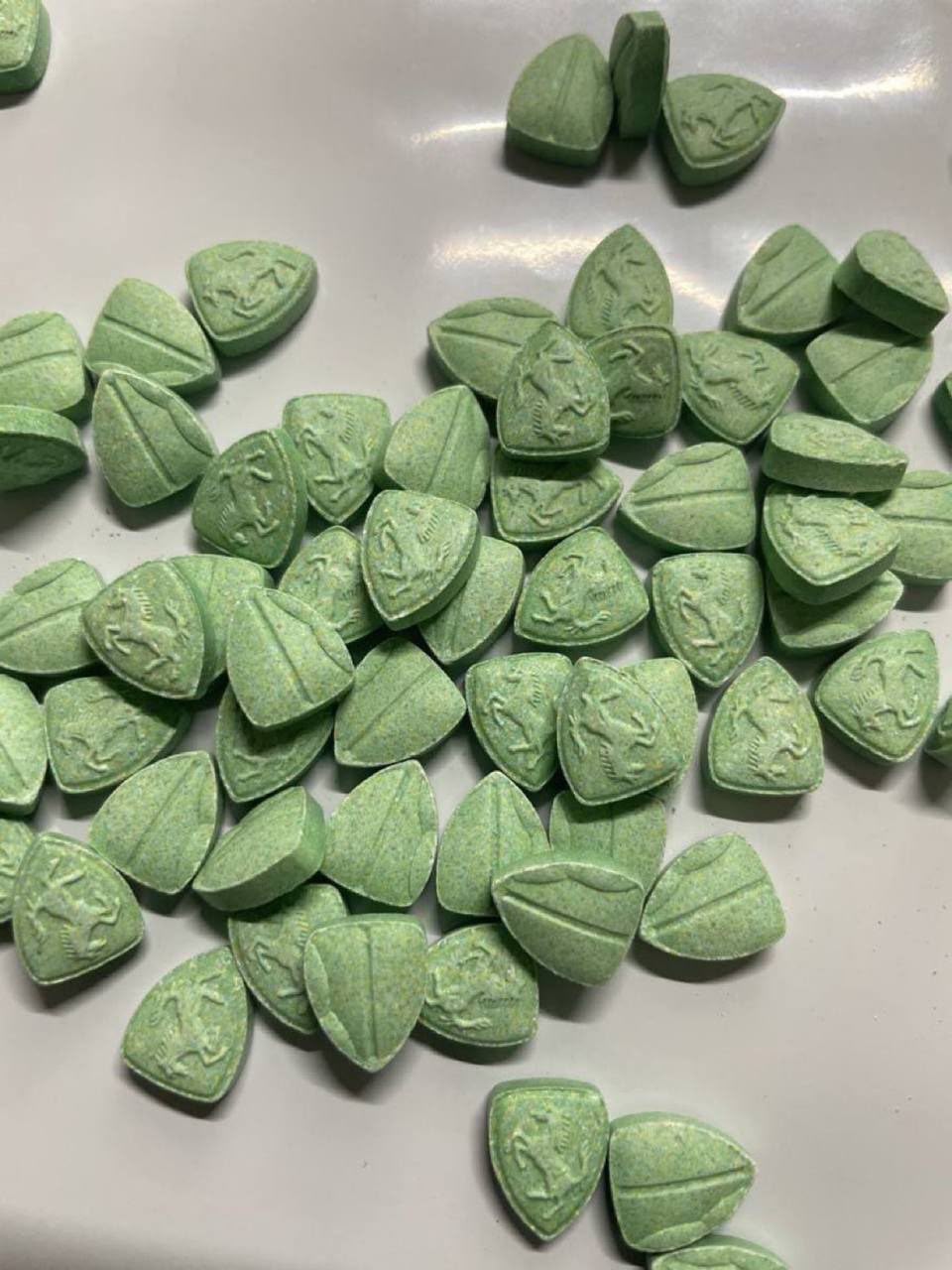




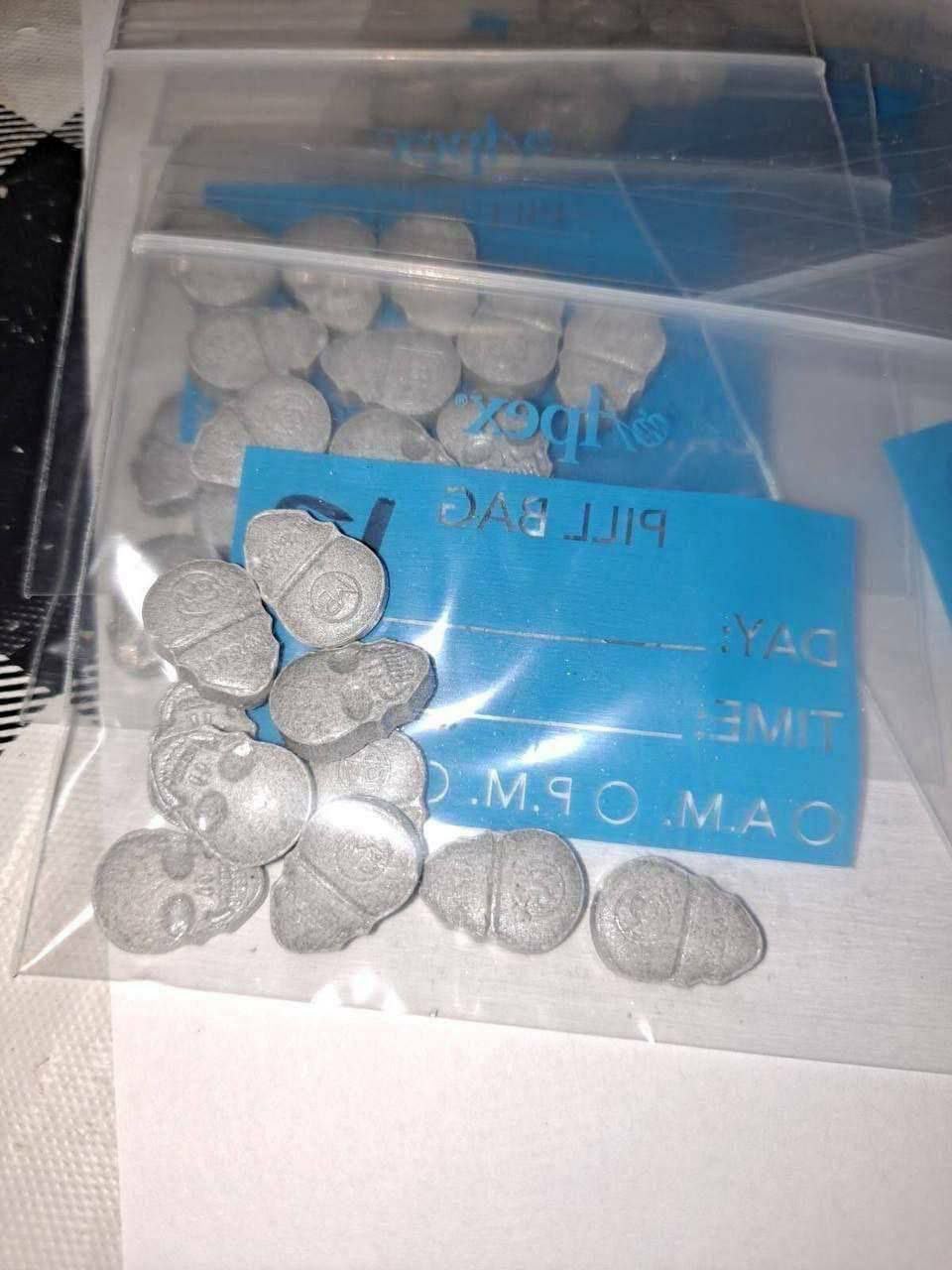
Ecstasy / XTC / MDMA Capsules and Presses
Product Overview
Ecstasy, XTC, and MDMA are terms commonly associated with products represented as containing MDMA (3,4-methylenedioxymethamphetamine), a synthetic psychoactive substance. MDMA is primarily classified as a stimulant and empathogen, also known as an entactogen. It can affect mood, emotional perception, alertness, energy levels, and sensory experiences.
The terms Ecstasy and XTC are often used in recreational drug markets to describe tablets or pressed products, while MDMA may refer to the chemical itself or to products represented as containing it. However, these terms are not reliable indicators of chemical composition. A tablet or capsule may contain MDMA, another psychoactive compound, multiple substances, or ingredients that differ from what its label suggests.
Understanding MDMA’s pharmacology, reported effects, physical characteristics, and potential health risks is important when evaluating information about these products. Their appearance and naming conventions cannot establish authenticity, purity, or safety.
1. Understanding MDMA
MDMA is a synthetic psychoactive compound that affects several neurotransmitter systems in the brain and body. Neurotransmitters are chemical messengers that help nerve cells communicate and regulate functions such as mood, motivation, alertness, attention, and physiological responses.
MDMA is commonly described as both a stimulant and an empathogen. Its stimulant properties are associated with increased physiological arousal and alertness, while its empathogenic properties are associated with changes in emotional perception and feelings of social connection.
These classifications describe different aspects of its effects. Neither category means that the substance is harmless, predictable, or suitable for every individual.
The experience associated with MDMA can vary substantially. Individual physiology, environmental conditions, other substances or medications, and the actual composition of a product may all influence its effects.
2. Ecstasy, XTC, Capsules, and Pressed Tablets
The words Ecstasy and XTC are informal names frequently associated with MDMA-containing tablets. The word “press” generally refers to a tablet produced by compressing powdered ingredients into a solid form.
Products represented as MDMA may be encountered in different physical preparations, including pressed tablets and capsules. However, the preparation itself does not establish the identity of its contents.
A tablet sold as Ecstasy may contain MDMA, but it may also contain other psychoactive substances or mixtures of compounds. Similarly, a capsule marketed as MDMA cannot be assumed to contain a particular chemical simply because of its label.
This distinction is important when interpreting product descriptions, photographs, packaging, and claims made in recreational markets.
3. Appearance and Physical Characteristics
Pressed tablets represented as Ecstasy or XTC can vary considerably in appearance. They may differ in color, shape, size, thickness, and surface markings.
Commonly observed characteristics include:
- Color: Tablets may be white, beige, yellow, pink, purple, blue, green, or other colors.
- Shape: Tablets may be round, oval, rectangular, or formed into other shapes.
- Markings: Logos, letters, numbers, symbols, and decorative imprints may appear on their surfaces.
- Size and thickness: Dimensions can differ substantially between tablets.
- Surface texture: Some tablets have smooth surfaces, while others have visible textures, impressions, or irregularities.
- Preparation: Products may be described as pressed tablets or capsules containing powders or other materials.
These characteristics are descriptive rather than diagnostic. Color does not establish chemical identity, and a logo does not prove that a tablet came from a particular manufacturer.
Two tablets with identical appearances may contain different ingredients or concentrations. Conversely, tablets that look different may contain similar substances.
Photographs, packaging, and visual inspection cannot reliably determine what a product contains. Chemical analysis is needed to establish its composition.
4. How MDMA Affects the Brain
MDMA influences several neurotransmitter systems, particularly serotonin, dopamine, and norepinephrine. These systems contribute to different but interconnected aspects of human behavior and physiology.
A. Serotonin
Serotonin is involved in mood regulation, sleep, appetite, emotional processing, and other physiological functions.
MDMA interacts with the serotonin transporter, known as SERT, and can promote substantial serotonin release. This changes serotonin signaling between nerve cells.
These changes are associated with reported effects such as elevated mood, increased emotional sensitivity, and feelings of closeness or empathy. They may also affect how a person interprets sensory information and responds emotionally to their surroundings.
However, serotonin-related effects are not always pleasant. Some individuals experience anxiety, agitation, confusion, or other unwanted psychological reactions.
Serotonin also contributes to physiological processes such as temperature regulation. Disruption of these processes can contribute to serious health complications.
B. Dopamine
Dopamine contributes to motivation, reward, learning, attention, and movement. It plays an important role in how the brain responds to rewarding experiences and regulates behavior.
MDMA affects dopamine signaling, contributing to its stimulating and rewarding properties. Changes in this system can influence alertness, motivation, and the emotional significance of experiences.
Dopamine is not simply a chemical responsible for happiness. Its activity is involved in many complex processes, and changes in dopamine signaling can also contribute to restlessness, impulsive behavior, and changes in attention.
Some individuals report fatigue, low mood, or reduced motivation after the immediate effects of MDMA have subsided. These experiences may involve several interacting factors, including disrupted sleep and changes across multiple neurotransmitter systems.
C. Norepinephrine
Norepinephrine helps regulate alertness, attention, and the body’s response to stress. It also plays a role in cardiovascular activity and other automatic physiological processes.
MDMA increases norepinephrine signaling, contributing to physical stimulation and increased physiological arousal.
Possible effects include an elevated heart rate, increased blood pressure, sweating, and increased body temperature. These changes may place additional strain on the cardiovascular system.
Under certain conditions, this physiological strain can contribute to serious complications. The risks may be influenced by individual health, environmental temperature, physical exertion, and interactions with other substances.
D. Interactions Between Neurotransmitter Systems
Serotonin, dopamine, and norepinephrine do not operate independently. Their signaling systems interact with one another and with other biological processes.
This helps explain why MDMA can produce a combination of emotional changes, increased alertness, sensory alterations, and physical stimulation.
The overall response cannot be predicted reliably from a product name or a single chemical mechanism. Individual differences and uncertainty about a product’s composition can substantially affect the experience.
5. Psychological and Emotional Effects
MDMA is associated with a range of psychological effects. These effects can vary considerably, and not every individual experiences the same response.
Elevated Mood
Some individuals report feelings of happiness, excitement, or euphoria. These experiences are associated with changes in neurotransmitter signaling and emotional processing.
However, elevated mood is not guaranteed. Unwanted reactions may include anxiety, irritability, panic, or emotional distress.
Emotional Closeness and Empathy
MDMA is often described as an empathogen because some people report increased feelings of emotional closeness, affection, or empathy.
These subjective experiences can influence how people perceive conversations and social interactions. However, the intensity and character of these effects are variable, and the experience does not necessarily reflect a person’s usual emotional state.
Increased Alertness and Energy
Stimulant-related effects may include increased alertness, restlessness, and a reduced perception of fatigue.
These effects can interfere with sleep and may be accompanied by increased physical activity. Feeling energetic does not mean the body is protected from exhaustion, overheating, or other physiological stresses.
Changes in Sensory Perception
Some people report changes in their experience of music, touch, lights, or other environmental stimuli.
These effects vary between individuals and may occur alongside changes in mood, attention, and emotional responses.
Unwanted Psychological Effects
MDMA can also be associated with confusion, anxiety, agitation, panic, or other distressing experiences. The possibility of an adverse reaction cannot be ruled out by a tablet’s appearance, branding, or advertised contents.
6. Physical Effects and Physiological Responses
MDMA affects more than mood and perception. It can also influence the cardiovascular system, temperature regulation, muscle activity, and fluid balance.
Possible physical effects include:
- Increased heart rate.
- Elevated blood pressure.
- Sweating.
- Jaw clenching and muscle tension.
- Nausea or stomach discomfort.
- Changes in body temperature.
- Difficulty sleeping.
The severity of these effects can vary. Some individuals may experience relatively mild symptoms, while others may develop serious complications.
MDMA can impair the body’s ability to regulate temperature under certain circumstances. Prolonged physical activity, hot surroundings, and other contributing factors may increase the risk of dangerous overheating.
The substance can also disrupt water and sodium balance. Excessive water consumption can be dangerous because severe low blood sodium may cause brain swelling and other life-threatening complications.
7. Potential Health Risks
MDMA exposure can lead to serious adverse reactions, even when a product is represented as a familiar or established tablet.
Potential complications include dangerous overheating, abnormal heart rhythms, seizures, severe disturbances in blood sodium, and liver or kidney injury.
Risk can be influenced by several factors, including:
- The actual chemical composition of the product.
- Individual physiology and existing health conditions.
- Environmental temperature and physical activity.
- Interactions with medications or other psychoactive substances.
- Uncertainty about the amount and identity of the substances present.
Combining MDMA with other stimulants or certain medications can introduce additional risks. Some combinations may affect cardiovascular function or serotonin signaling.
An individual’s previous experience does not guarantee that a subsequent exposure will have the same effects.
8. Aftereffects and Recovery
Some individuals report changes in mood, energy, concentration, or sleep after MDMA’s immediate effects have subsided.
Possible aftereffects include fatigue, irritability, low mood, difficulty concentrating, and disrupted sleep.
These experiences can involve several biological and environmental factors. It is not scientifically accurate to attribute every aftereffect to the depletion of a single neurotransmitter.
The duration and severity of symptoms can vary. Persistent or severe psychological or physical symptoms should be assessed by a qualified healthcare professional.
9. Purity, Strength, and Chemical Identification
Claims about purity or strength require reliable analytical evidence. A label stating a particular percentage or amount does not independently establish the actual contents of a tablet or capsule.
A product’s color, imprint, packaging, and marketing name cannot reliably confirm its composition. Products sold under the same name may contain different ingredients, while visually similar tablets may have substantially different chemical profiles.
Laboratory analysis can help identify the substances present and assess their composition. However, identifying MDMA does not automatically establish that a sample is free from other hazards.
It is important to distinguish between an advertised claim and a verified analytical result.
10. Important Safety Information
MDMA can cause serious adverse reactions, and uncertainty about the contents of a tablet or capsule makes its effects more difficult to predict.
Emergency medical assistance is important if someone develops severe overheating, chest pain, confusion, seizures, collapse, or loss of consciousness following suspected exposure.
Suspected poisoning should be taken seriously. Medical professionals need accurate information about the possible substances involved to assess and treat the situation appropriately.
Conclusion
Ecstasy, XTC, and MDMA are terms associated with products represented as containing MDMA, a synthetic psychoactive substance commonly classified as a stimulant and empathogen.
MDMA affects serotonin, dopamine, and norepinephrine signaling, helping explain its reported effects on mood, emotional perception, alertness, and physical arousal. Its effects can vary substantially between individuals, and both psychological and physiological complications are possible.
Pressed tablets and capsules may differ in color, shape, markings, and composition. Their appearance cannot establish chemical identity, purity, or strength.
Accurate scientific information, awareness of potential health risks, and reliable chemical analysis are essential when evaluating claims about Ecstasy, XTC, or MDMA products.








Reviews
There are no reviews yet.