

Miami Pink Tusi: Chemical Composition, Drug Testing, and Toxicology
Introduction to Miami Pink Tusi
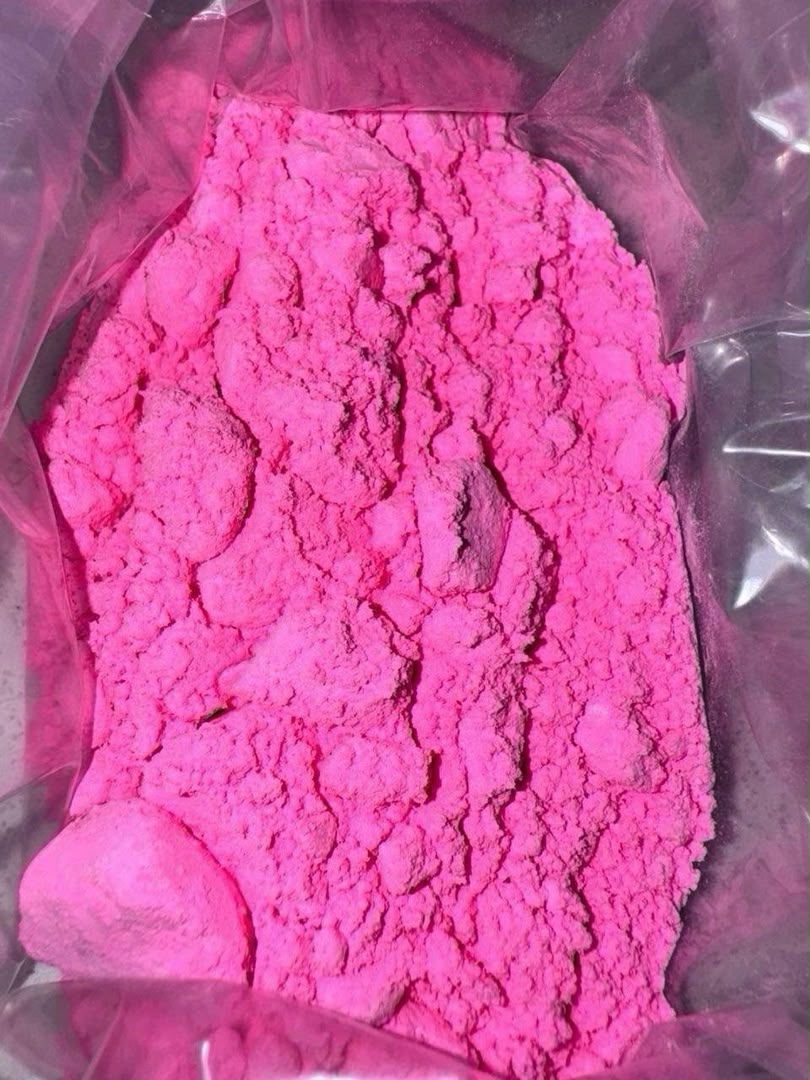
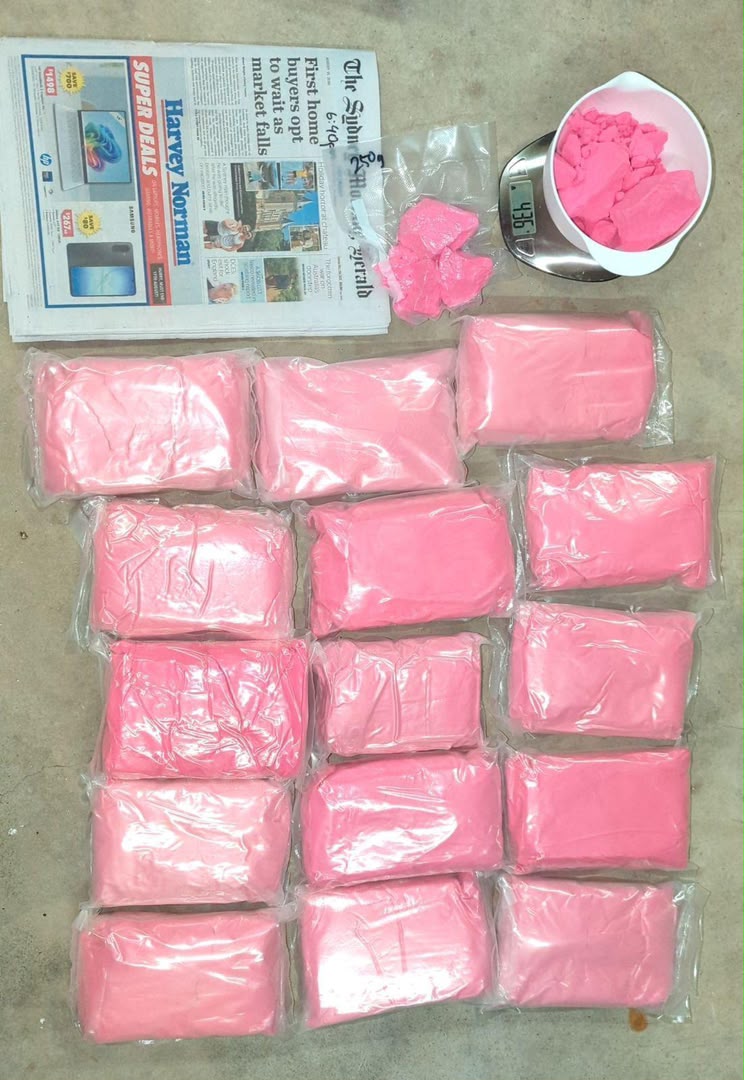
Miami Pink Tusi is a name used for a pink-colored recreational drug mixture that has attracted attention in discussions of drug chemistry, toxicology, and public health. It is also commonly associated with the names Pink Tusi, Tusi, and Pink Cocaine. Despite these names, the mixture should not be assumed to contain cocaine or any other particular substance.
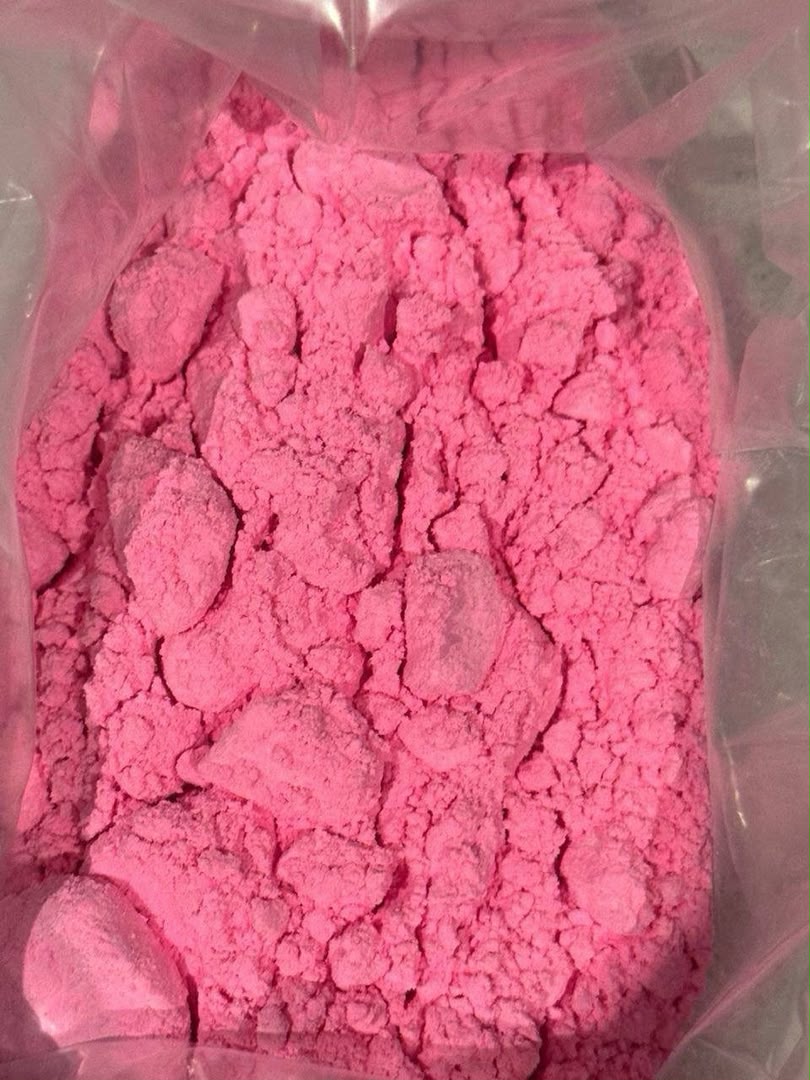
One of the most important facts about Pink Tusi is that its composition can vary significantly. Different samples sold under similar names may contain different psychoactive compounds, combinations of substances, coloring agents, and flavorings. Consequently, the name or appearance alone cannot establish what a sample contains.
Descriptions of some mixtures mention substances such as 2C-B, MDMA, ketamine, or mescaline, along with pink coloring or sweet flavoring. However, these ingredients should be treated as claims unless confirmed through appropriate laboratory analysis. A product description is not a substitute for chemical testing.
Understanding Pink Tusi requires examining its naming history, the substances sometimes associated with it, the limitations of visual identification, and the risks that can arise when several psychoactive compounds are combined.
What Is Pink Tusi?
Pink Tusi is a street name rather than a precise chemical designation. Unlike a clearly identified pharmaceutical compound, it does not refer to one standardized formula with a consistent composition.
The term tusi is often associated with 2C-B, a synthetic psychedelic compound. Over time, however, the name has also been used for mixtures that may contain other substances. The addition of a pink color has further contributed to the product’s recognizable appearance, but color does not reveal its chemical identity.
The phrase Pink Cocaine can also be misleading. A pink-colored mixture marketed under this name may contain no cocaine at all. Similarly, a label naming several ingredients does not prove that each one is present.
For researchers, this inconsistency makes Pink Tusi an important example of the challenges involved in identifying unregulated drug mixtures. Two samples that look nearly identical may differ substantially in their ingredients and potential effects.
Understanding the Ingredients Sometimes Associated With Pink Tusi
Descriptions of Pink Tusi sometimes refer to several psychoactive substances. Each has a distinct chemical structure and pharmacological profile, meaning that the effects and risks of one ingredient cannot reliably predict the effects of a mixture.
2C-B
2C-B is a synthetic psychedelic compound belonging to the phenethylamine family. It can alter sensory perception, mood, and cognition. Its effects may vary with the amount present, individual sensitivity, and other substances taken.
The presence of 2C-B in a particular Pink Tusi sample cannot be established by its color, name, or reported effects. Reliable identification requires suitable chemical analysis.
MDMA
MDMA is a psychoactive substance associated with changes in mood, energy, sensory experience, and feelings of emotional closeness. It can also increase body temperature, heart rate, and blood pressure.
Serious adverse effects may occur, including overheating, cardiovascular complications, and disturbances in the body’s fluid and electrolyte balance. The risks can become more difficult to predict when MDMA is combined with other psychoactive substances.
Ketamine
Ketamine is a dissociative anaesthetic used in medical settings under appropriate supervision. It can alter awareness, perception, coordination, and the sense of connection with the surrounding environment.
Non-medical exposure may cause confusion, impaired movement, nausea, and reduced awareness of hazards. More severe effects can include unconsciousness and breathing complications, particularly when other depressant substances are involved.
Mescaline
Mescaline is a psychedelic compound found naturally in certain cactus species. It is known for its effects on perception and consciousness and has been studied in pharmacology and ethnobotany.
Mescaline is chemically distinct from 2C-B, MDMA, and ketamine. Although these substances may all affect subjective experience, they do so through different mechanisms. A label listing mescaline does not confirm that it is present in a particular mixture.
Strawberry Flavoring and Pink Color
Some descriptions of pink-colored mixtures mention sweet flavoring or strawberry-like aromas. These characteristics are separate from the psychoactive ingredients and do not establish a sample’s identity, purity, or safety.
Coloring agents and flavorings may change a product’s appearance or smell, but they cannot reliably indicate which chemicals are present. A pleasant aroma or distinctive color should never be treated as evidence that a mixture is less hazardous.
Why Pink Tusi’s Composition Can Vary
The lack of a standardized formula is one of the defining characteristics of Pink Tusi. Mixtures may differ between suppliers, batches, and locations, even when packaging and descriptions appear similar.
Variation can arise from differences in the substances used, inconsistent manufacturing practices, contamination, or inaccurate labelling. The amount of each ingredient may also be unknown. In some cases, a sample may contain substances that are not mentioned in its description.
This uncertainty has important consequences. The effects of a mixture depend on its actual chemical contents, not the name printed on a label. If several psychoactive substances are present, their effects may overlap or interact in ways that are difficult to anticipate.
For this reason, researchers and public-health professionals distinguish between a street name and an analytically confirmed chemical composition.
Laboratory Analysis and Drug Identification
Laboratory testing plays a central role in determining what a Pink Tusi sample contains. Visual inspection, taste, smell, and informal descriptions cannot reliably identify the substances in a mixture.
Analytical laboratories may use techniques such as gas chromatography–mass spectrometry, liquid chromatography–mass spectrometry, and other validated methods. These approaches can help identify compounds and, depending on the method, measure their concentrations.
Different analytical techniques have different capabilities and limitations. A preliminary screening result may indicate the possible presence of a substance, while confirmatory testing can provide stronger evidence of chemical identity.
Testing also has practical limits. A result may apply only to the portion of a sample that was examined, and the presence of one identified compound does not prove that other substances are absent. Reliable interpretation therefore depends on appropriate sampling, validated methods, and qualified analysis.
The central principle is straightforward: a product name, color, or ingredient list is not proof of composition.
Toxicology and the Risks of Mixed Substances
Toxicology examines how chemicals affect the body, including their potential to cause harmful or life-threatening effects. Pink Tusi presents particular challenges because its contents may be unknown and multiple substances may be present simultaneously.
Different psychoactive compounds can affect the brain, cardiovascular system, temperature regulation, coordination, and consciousness. When combined, their effects may be unpredictable. A person may not be able to determine which ingredient is responsible for a particular symptom.
Potential adverse effects can include anxiety, agitation, confusion, vomiting, rapid heartbeat, elevated blood pressure, overheating, impaired coordination, and altered consciousness. Depending on the substances involved, more serious complications may occur.
Unknown composition also makes it difficult to assess interactions with prescription medicines, alcohol, or other recreational substances. The absence of immediate symptoms does not establish that exposure is harmless.
If someone may have taken an unknown drug mixture and develops severe confusion, seizures, chest pain, difficulty breathing, collapse, or dangerously high body temperature, urgent medical assistance is necessary. Healthcare professionals should be told what is known about the exposure, without assuming that the street name accurately identifies the contents.
Pink Tusi in Drug-Checking and Public-Health Research
Drug-checking and forensic toxicology programs investigate the composition of substances encountered in real-world settings. Their findings can help identify unexpected ingredients, track emerging substances, and inform public-health responses.
Pink Tusi illustrates why this work matters. When a single street name refers to different chemical mixtures, assumptions based on previous samples may not apply to a new one. Testing data can reveal patterns, but results from one sample or location should not be generalized to every product sold under the same name.
Researchers also study how misleading names and marketing descriptions affect public understanding. Terms such as Pink Cocaine may create an inaccurate impression about a product’s ingredients. Clear communication is therefore essential when reporting analytical findings.
Scientific reports should distinguish confirmed results from unverified claims and should explain the limitations of the methods used.
Responsible Interpretation of Product Descriptions
Descriptions of Pink Tusi sometimes list several compounds together, creating the impression that a particular formulation is established. However, the presence of a name in a description does not confirm that the corresponding chemical is in the sample.
The same caution applies to claims about flavor, strength, purity, or consistency. Without reliable analytical evidence, such statements remain unverified. Even a confirmed ingredient list may not reveal the concentration of each substance or predict how a particular person will respond.
Responsible scientific communication avoids presenting uncertain information as fact. It also avoids suggesting that an unknown mixture is safe because it has a recognizable appearance or contains a familiar ingredient.
Conclusion
Miami Pink Tusi is a name associated with pink-colored recreational drug mixtures whose chemical composition can vary considerably. Although descriptions may mention 2C-B, MDMA, ketamine, mescaline, or flavoring agents, the actual contents of a sample cannot be established from its name or appearance alone.
Laboratory analysis is essential for identifying chemical components, while toxicology research helps explain the potential risks associated with individual substances and their combinations. Because unknown mixtures can produce unpredictable effects, accurate identification and clear public-health information are especially important.
Ultimately, Pink Tusi is best understood as a variable street-drug category rather than a standardized chemical product. Distinguishing verified laboratory findings from marketing claims is central to understanding its chemistry, effects, and potential hazards.
Reviews
There are no reviews yet.