



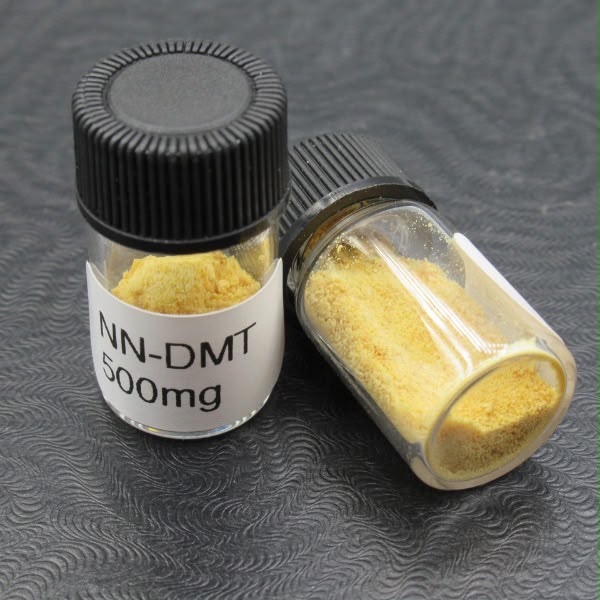


N,N-DMT: Scientific Overview and Research Background
Introduction to N,N-DMT
N,N-DMT, also known as N,N-dimethyltryptamine, is a psychedelic compound that has attracted scientific interest because of its effects on perception, consciousness, and sensory experiences. Researchers study this substance to better understand how certain compounds influence brain activity and alter the way people experience their surroundings.
N,N-DMT belongs to the tryptamine family of compounds. Its chemical structure shares features with serotonin, a neurotransmitter that plays an important role in regulating mood, perception, cognition, and other physiological processes.
Although researchers continue to investigate N,N-DMT, its effects and potential applications require careful scientific evaluation. Understanding its pharmacology, neurological activity, and psychological effects remains an important part of psychedelic science.
Understanding the Tryptamine Family
Tryptamines are a broad family of chemical compounds that includes naturally occurring substances and compounds investigated in scientific research. Their structures contain a tryptamine framework, which is also found in several biologically important molecules.
Serotonin is one of the best-known examples of a naturally occurring tryptamine. It helps regulate communication between nerve cells and contributes to numerous processes throughout the body.
N,N-DMT has a related chemical structure, but its biological effects differ from those of serotonin. Researchers investigate these differences to understand how molecular structure influences receptor activity and subjective experience.
N,N-DMT and Serotonin Receptors
One important area of N,N-DMT research involves serotonin receptors, particularly the 5-HT2A receptor. These receptors help regulate signaling pathways associated with perception, cognition, and other brain functions.
Research suggests that interactions with serotonin receptors contribute to the altered perceptual and cognitive effects associated with N,N-DMT. However, the relationship between receptor activity and subjective experience is complex.
Scientists therefore investigate multiple aspects of the compound’s pharmacology rather than attributing every reported effect to a single receptor. This work contributes to a broader understanding of how psychedelic compounds interact with the human brain.
Perception, Consciousness, and Sensory Experience
N,N-DMT is known for its capacity to produce substantial changes in perception and subjective experience. Reports associated with psychedelic exposure may include altered visual perception, changes in the sense of time, and unusual experiences of self-awareness or the surrounding environment.
Researchers study these experiences to investigate how the brain constructs perception and integrates sensory information. By examining changes in consciousness, scientists hope to gain further insight into the neurological processes that support ordinary waking awareness.
However, subjective experiences vary between individuals and circumstances. Personal accounts can help researchers identify questions for further study, but they do not replace controlled scientific investigation.
Pharmacological Research
The pharmacology of N,N-DMT includes its interactions with receptors, its metabolism, and the ways it influences biological signaling pathways. Researchers examine these characteristics to understand how the compound produces its effects and how those effects differ from those of other psychedelic substances.
Scientists also investigate how the body processes N,N-DMT. Enzymes involved in its metabolism play an important role in determining how the compound is broken down. Understanding these processes helps researchers interpret its pharmacological characteristics.
Nevertheless, findings from laboratory studies do not automatically establish safety or effectiveness in humans. Further research may be necessary to clarify particular mechanisms and their clinical significance.
N,N-DMT and Neuroscience Research
Psychedelic research has expanded scientific interest in the relationship between brain activity, perception, and consciousness. N,N-DMT provides one subject through which researchers can examine these questions.
Studies may investigate changes in brain signaling, patterns of neural activity, and relationships between subjective experiences and measurable neurological processes. This work can contribute to broader discussions about consciousness and the biological foundations of perception.
However, the scientific interpretation of these findings requires care. Changes in brain activity do not, by themselves, establish a therapeutic benefit or explain every aspect of a subjective experience.
Psychological Effects and Safety Considerations
N,N-DMT can produce intense and sometimes disorienting psychological effects. These may include altered perception, anxiety, confusion, and changes in the sense of self or surroundings. Responses can vary considerably between individuals.
The compound’s effects also raise important questions about psychological vulnerability, environmental context, and possible interactions with other substances or medications. People with particular mental health vulnerabilities may face additional concerns.
Researchers continue to examine these factors to improve understanding of the compound’s effects and potential risks. Anyone experiencing severe distress or a medical emergency following exposure should seek urgent professional assistance.
Current Research and Future Questions
Scientific interest in N,N-DMT continues to raise questions about serotonin signaling, perception, consciousness, and the relationship between subjective experiences and brain activity.
Future investigations may help clarify how the compound interacts with different receptor systems, how individual differences influence its effects, and what its findings can contribute to neuroscience.
At the same time, researchers must distinguish preliminary findings from established conclusions. A compound’s scientific interest does not, by itself, demonstrate that it is safe or suitable for therapeutic use.
Conclusion
N,N-DMT is a psychedelic tryptamine compound studied for its effects on perception, consciousness, and neurological activity. Its interactions with serotonin receptors make it relevant to research into sensory processing and the biological mechanisms underlying subjective experience.
Although N,N-DMT remains an important subject in psychedelic science, researchers continue to investigate its pharmacology, psychological effects, and safety considerations. Careful interpretation of scientific evidence is essential for understanding the compound and its place in neuroscience research.
SEO title: N,N-DMT: Scientific Overview, Effects, and Neuroscience Research
Meta description: Explore N,N-DMT, including its tryptamine structure, serotonin receptor interactions, effects on perception, and role in psychedelic science and neuroscience research.
Suggested URL slug: n-n-dmt-scientific-overview
Focus keywords: N,N-DMT, N,N-dimethyltryptamine, DMT research, psychedelic science, tryptamine compounds, serotonin receptors, consciousness research, neuroscience.








Reviews
There are no reviews yet.