

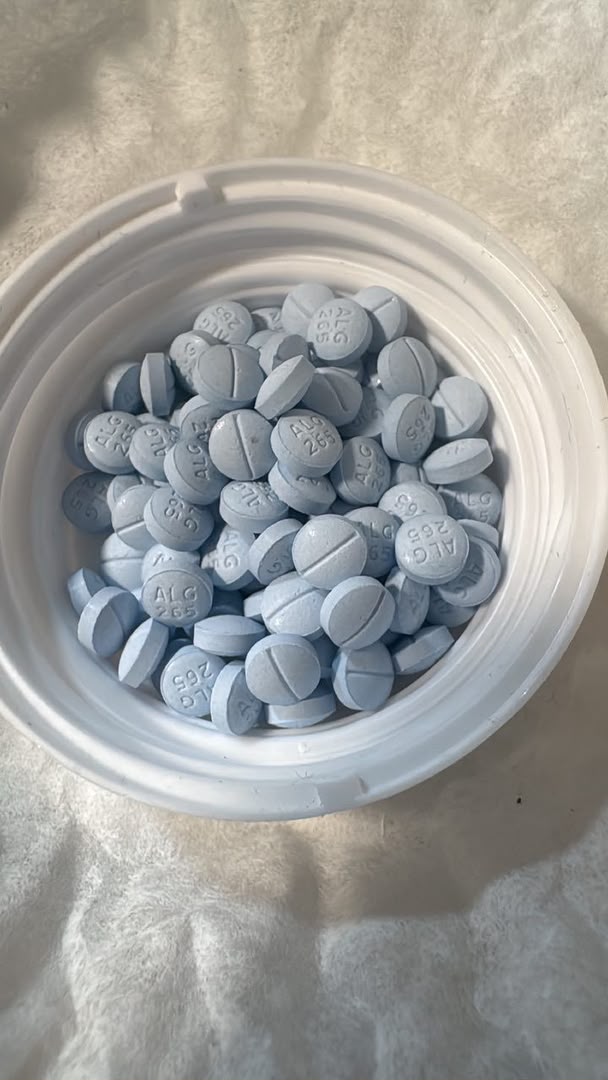
ALG265 30mg Oxycodone Press: Product Identification, Quality Verification, and Safety Information
ALG265 30mg Oxycodone Press is a product label associated with oxycodone, a prescription opioid used by healthcare professionals to manage certain types of severe pain. Oxycodone works by interacting with opioid receptors in the central nervous system, altering how the body experiences and responds to pain. Because opioid medications can cause serious adverse effects, accurate product identification and reliable pharmaceutical documentation are essential.
When a tablet is described as “30mg,” “pharma-grade,” or identified by a particular imprint, those descriptions should be supported by verifiable evidence. A label or tablet marking alone cannot confirm the actual ingredients, strength, purity, manufacturing source, or regulatory status of a product.
This product information guide explains the meaning of the ALG265 designation, the importance of pharmaceutical verification, the documentation used to establish product identity, and the safety considerations associated with oxycodone.
Understanding the ALG265 Product Designation
The term “ALG265” is a product-identification designation presented in connection with a tablet described as containing 30mg of oxycodone. However, the designation by itself does not establish that a tablet contains oxycodone or that it has been manufactured by an authorized pharmaceutical company.
Tablet imprints, markings, colors, shapes, and packaging can be copied or altered. Counterfeit tablets may resemble legitimate prescription medication while containing different substances, inconsistent quantities of active ingredients, or potentially dangerous contaminants.
For this reason, product identity should be confirmed using reliable sources rather than visual appearance alone. A pharmacist or other qualified healthcare professional can help determine what verification steps are appropriate for a medication and whether the available documentation is credible.
What Does 30mg Mean?
A strength of 30mg refers to a stated quantity of an active ingredient per dosage unit. In this case, the product description claims a strength associated with oxycodone. That claim should not be interpreted as confirmation of the actual contents of an unverified tablet.
The amount of an ingredient in a tablet is important because opioid medications have dose-dependent effects. Differences between the labeled strength and the actual contents may increase the risk of adverse reactions, including severe sedation and life-threatening respiratory depression.
The appropriate dose of prescribed oxycodone depends on an individual’s medical circumstances, previous opioid exposure, other medications, and the judgment of the prescribing clinician. A product label cannot determine whether a particular strength is appropriate for an individual.
Only medication supplied through an authorized and traceable pharmaceutical channel, with appropriate verification, should be relied upon as prescribed treatment.
Pharmaceutical-Grade Claims and Quality Assurance
The phrase “pharma-grade” suggests that a product meets particular pharmaceutical quality requirements. However, the phrase is not sufficient evidence that a tablet has been produced under appropriate manufacturing conditions or that its contents have been independently verified.
Reliable pharmaceutical quality assurance involves several elements.
Manufacturer identification: The responsible manufacturer should be identifiable, with information that can be checked against trustworthy regulatory or manufacturer records.
Authorized distribution: The supply chain should be traceable to a licensed or otherwise authorized distributor. A seller’s statement alone does not establish an authorized supply chain.
Packaging and labeling: Packaging should provide consistent product information, including relevant manufacturer details, batch or lot identification, and applicable regulatory information. Packaging that looks convincing is not, by itself, proof of authenticity.
Batch documentation: Relevant batch records and quality documentation can help establish the identity and origin of a legitimate pharmaceutical product. Documents should be independently verifiable rather than accepted solely because they were supplied by a seller.
Appropriate laboratory testing: Where uncertainty remains, validated analytical testing performed by a qualified laboratory may be necessary to establish a tablet’s composition and strength.
These measures serve different purposes. For example, a legitimate-looking package does not establish chemical composition, while a test identifying one ingredient does not necessarily establish the product’s full manufacturing history or regulatory status.
Why Tablet Appearance Is Not Enough
Consumers may attempt to identify tablets by comparing an imprint, color, shape, or size with photographs available online. Such comparisons can be useful as a preliminary reference, but they cannot reliably establish what an unverified tablet contains.
Counterfeit products can reproduce the appearance of genuine medication. In addition, products that look similar may have different ingredients or strengths, and tablets from unregulated sources may have inconsistent contents.
The ALG265 designation should therefore be treated as a label requiring verification rather than conclusive evidence of identity. A stated strength of 30mg should likewise be treated as an unverified claim unless supported by reliable pharmaceutical evidence.
If a tablet’s identity is uncertain, do not take it or attempt to determine its contents by tasting, splitting, crushing, or otherwise experimenting with it. Seek guidance from a licensed pharmacist or healthcare professional.
Understanding Oxycodone
Oxycodone is an opioid analgesic prescribed for certain pain conditions when a healthcare professional determines that opioid treatment is appropriate. It acts on receptors involved in pain signaling and can reduce the perception of pain.
Its clinical benefits must be balanced against substantial risks. Oxycodone can cause drowsiness, dizziness, nausea, constipation, physical dependence, and impaired judgment. More serious effects include slowed breathing, loss of consciousness, and overdose.
The risk of harm may increase when oxycodone is taken in quantities greater than prescribed, obtained from an uncertain source, or combined with other substances that suppress the central nervous system.
Oxycodone should only be used by the person for whom it was prescribed and according to the instructions of the prescribing clinician. It should never be shared with another person, even if that person reports similar symptoms.
Important Medication Interactions
Combining oxycodone with alcohol, benzodiazepines, sleeping medications, other opioids, or other central nervous system depressants can increase sedation and the risk of dangerously slow or stopped breathing.
People taking prescription medication should tell their healthcare professional about all other medicines, supplements, and substances they use. A pharmacist or prescriber can assess potential interactions and explain which combinations need to be avoided.
People should not change a prescribed dose, discontinue long-term opioid treatment abruptly, or combine medications based on advice from an unverified seller. Medication decisions should be made with an appropriate healthcare professional.
Recognizing an Opioid Emergency
An opioid overdose is a medical emergency. Warning signs may include:
- Very slow, shallow, irregular, or absent breathing.
- Inability to wake the person or unusual unresponsiveness.
- Limpness or extreme drowsiness.
- Blue, grey, or unusually pale lips or fingernails.
- Unusual snoring, choking, or gurgling sounds in someone who cannot be awakened.
If an overdose is suspected, contact local emergency medical services immediately. Administer naloxone if it is available and follow the emergency responder’s instructions. If the person is not breathing normally, follow the dispatcher’s guidance for rescue breathing or CPR if you are able to provide it. Do not leave the person alone.
Even if the person appears to improve after naloxone, urgent medical assessment is still necessary because the effects of the opioid can outlast those of naloxone.
Responsible Product Documentation
For any product described as ALG265 30mg Oxycodone Press, reliable documentation is more important than promotional terminology. Product information should distinguish between what is claimed on a label and what has actually been verified.
A responsible product record should identify the source of the information, distinguish confirmed details from unverified claims, and avoid unsupported statements about purity, dosage, authenticity, or manufacturing standards.
If the product is intended to be a legitimate prescription medicine, its identity and distribution status should be confirmed through the appropriate authorized pharmaceutical channels. Requirements differ between jurisdictions, so applicable local regulations should also be checked.
Descriptions should not imply that a tablet is approved, authentic, safe, or suitable for use unless those claims are substantiated by reliable evidence. In particular, a product should not be represented as pharmaceutical-grade merely because that phrase appears in a listing.
Frequently Asked Questions
Does the ALG265 imprint confirm that a tablet contains oxycodone?
No. An imprint or product label alone cannot confirm the ingredients or strength of a tablet. Reliable verification is necessary.
Does the 30mg label guarantee the dosage?
No. The stated strength is a claim until confirmed by trustworthy pharmaceutical documentation or appropriate testing.
What does “pharma-grade” mean in a product listing?
The term suggests pharmaceutical quality, but the wording itself does not prove that a product meets recognized manufacturing or quality standards. Supporting evidence is required.
Can an unverified tablet be identified from a photograph?
A photograph may provide preliminary visual information, but it cannot establish the chemical contents, purity, or actual dosage of a tablet.
What should someone do if they are unsure about a tablet?
Do not take it. Consult a licensed pharmacist or healthcare professional who can advise on appropriate verification and safe next steps.
Conclusion
ALG265 30mg Oxycodone Press is a product designation associated with oxycodone, a prescription opioid used in the management of certain types of pain. However, the designation, stated strength, tablet appearance, and “pharma-grade” wording do not independently confirm a product’s identity or quality.
Reliable manufacturer information, traceable distribution, appropriate documentation, and qualified testing are important when pharmaceutical authenticity is uncertain. Oxycodone also carries serious risks, including dependence, respiratory depression, and potentially fatal overdose, particularly when products are unverified or used outside medical supervision.
The most responsible approach is to distinguish product claims from confirmed facts, obtain medication only through authorized pharmaceutical channels, and consult qualified healthcare professionals about identification, prescription requirements, and safety.


Reviews
There are no reviews yet.