

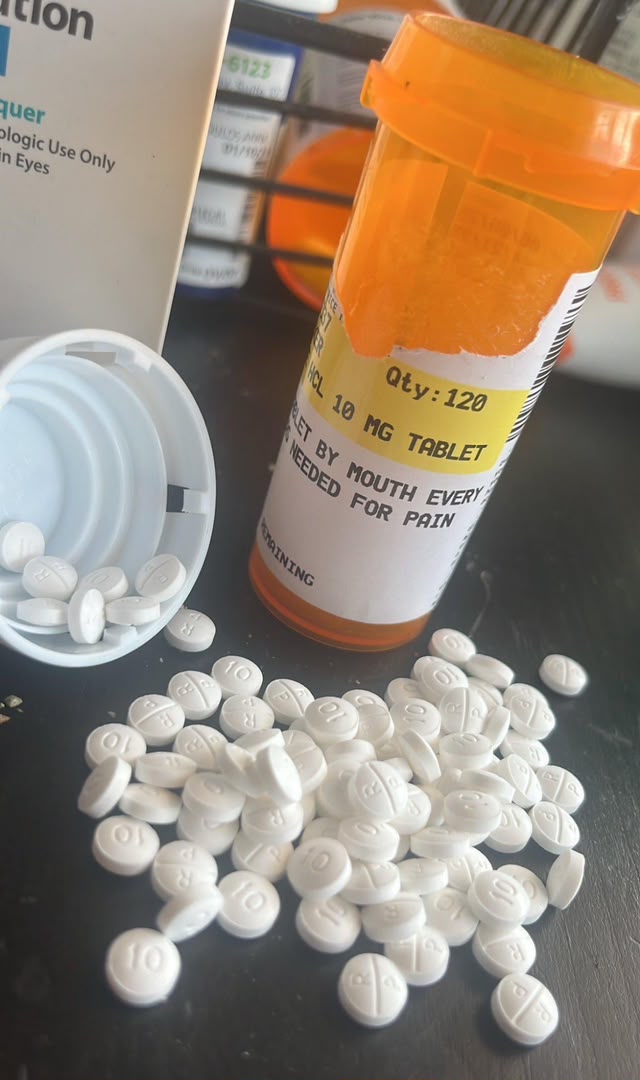
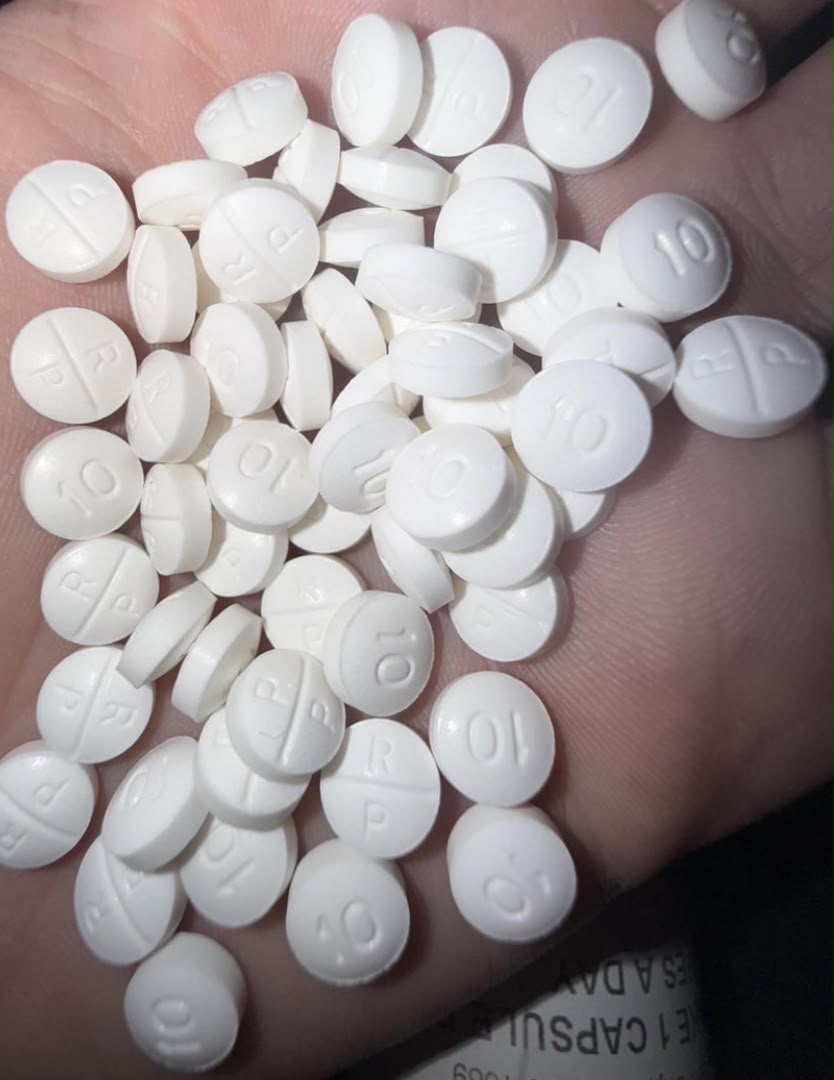
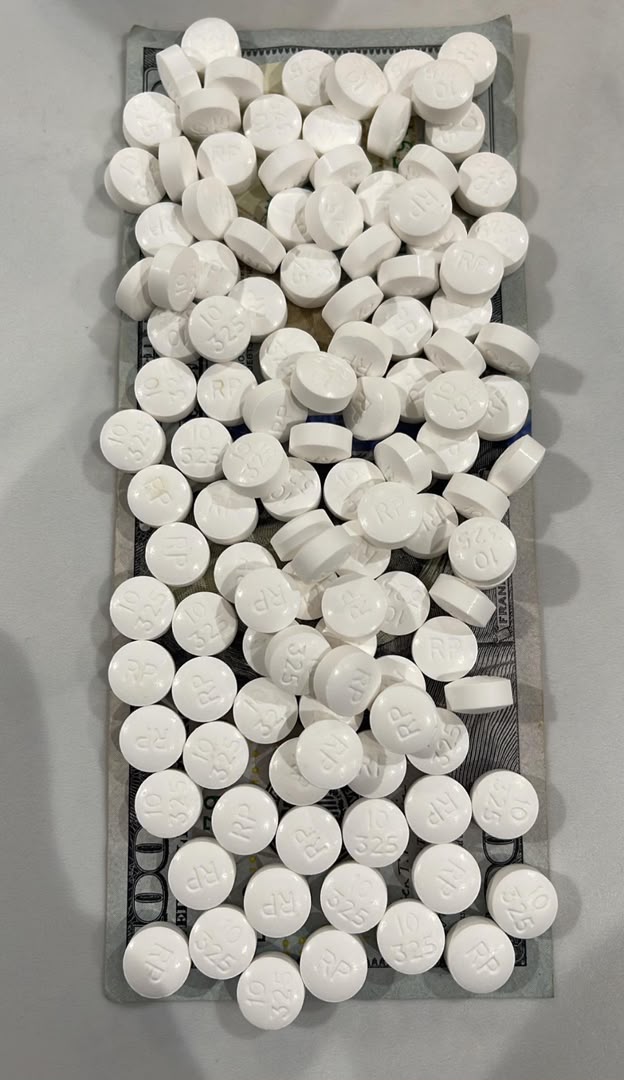
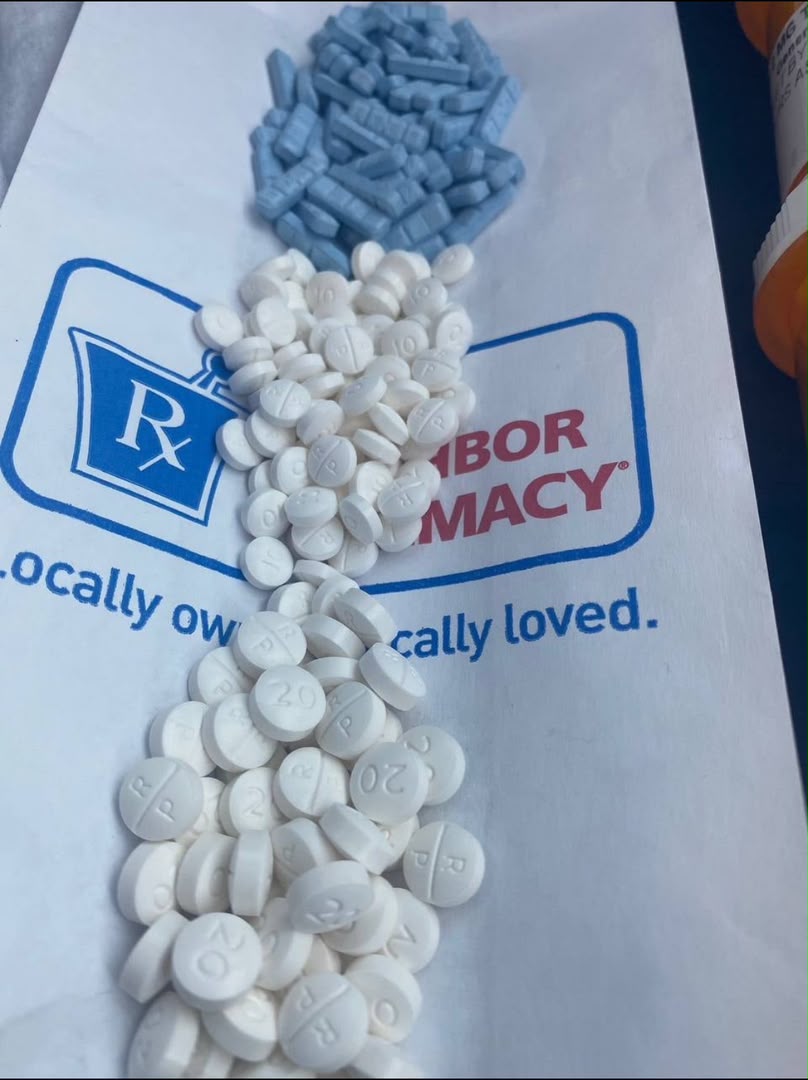
RP30, RP20, and RP10 Tablets: Product Identification and Pharmaceutical Quality Verification
Product Overview
RP30, RP20, and RP10 are tablet markings that may appear in product listings and pharmaceutical identification searches. When evaluating a product described using these markings, it is important to establish its actual identity, manufacturer, formulation, and strength before publishing definitive specifications.
Oxycodone is a prescription opioid used in medical settings to manage certain types of pain under professional supervision. It acts on opioid receptors in the central nervous system and can reduce pain perception. However, a tablet’s imprint or an online description does not independently confirm that it contains oxycodone or that it has a particular strength.
For pharmaceutical businesses, clear product information and reliable documentation are essential. A professional listing should distinguish confirmed product details from unverified claims and should avoid describing an unidentified tablet as authentic, pharmaceutical-grade, or quality-assured without supporting evidence.
Product Identification and Specifications
Accurate identification is a fundamental part of responsible pharmaceutical product information. A product record should contain details that can be checked against reliable manufacturer or regulatory documentation.
Relevant information may include the authorised product name, active ingredient, dosage form, labelled strength, manufacturer, packaging details, batch information, and applicable authorisation or registration details. These records help qualified professionals determine whether a product corresponds to a recognised medicine.
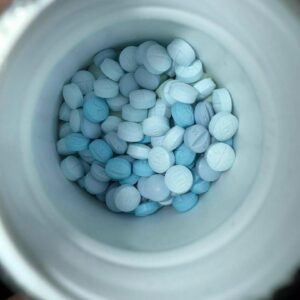
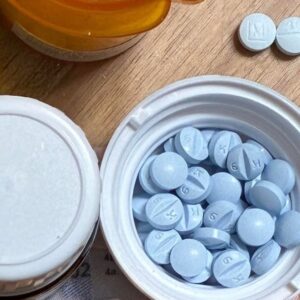
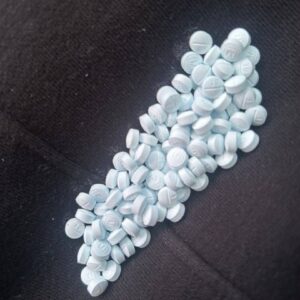
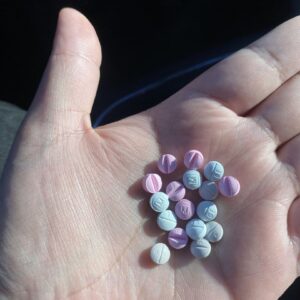
For tablets identified only by markings such as RP30, RP20, or RP10, the available description may not provide enough information to establish those specifications. Similar-looking tablets can differ in their contents, and counterfeit products may imitate markings used on legitimate medicines.
As a result, no precise ingredient, dosage, or manufacturing claim should be based solely on an imprint or seller-provided product title.
Understanding Oxycodone
Oxycodone is a prescription opioid that may be used to treat selected pain conditions when a healthcare professional determines that opioid treatment is appropriate. Its effects are linked primarily to activity at mu-opioid receptors in the central nervous system.
This activity can reduce the perception of pain, but it can also cause drowsiness, impaired coordination, constipation, and suppression of breathing. More serious complications include respiratory depression and potentially fatal overdose.
Legitimate oxycodone medicines are supplied through regulated pharmaceutical channels and are subject to applicable manufacturing and quality requirements. An unverified tablet cannot automatically be assumed to meet those standards, even when its appearance resembles that of a recognised medicine.
For this reason, a product listing should clearly distinguish a verified prescription medicine from a tablet whose identity has not been independently established.
Pharmaceutical Quality and Documentation
Pharmaceutical quality assurance involves more than the appearance of a finished tablet. It includes controls over ingredients, manufacturing processes, consistency, contamination, packaging, storage, and product documentation.
For regulated medicines, quality systems are designed to help ensure that products meet established specifications. Documentation may also support traceability, allowing authorised professionals to investigate a product’s source and relevant batch information.
A phrase such as pharma-grade should not be used as a substitute for evidence. The phrase alone does not demonstrate that a product was manufactured by an authorised company, that its active ingredient has been confirmed, or that it meets the applicable quality standards.
Professional product information should use specific, supportable statements rather than broad claims about purity or authenticity. Where documentation is unavailable, the product’s identity and quality should be described as unverified.
Authenticity and Counterfeit-Tablet Concerns
Counterfeit medicines can imitate legitimate products in their shape, colour, packaging, and markings. Some may contain a different active ingredient, inconsistent concentrations, unexpected contaminants, or no intended ingredient at all.
These differences can create significant risks, particularly when a tablet is believed to contain an opioid. The actual effects may be very different from those expected from the medicine described in an online listing.
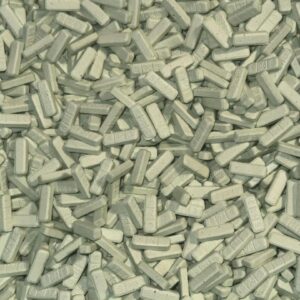
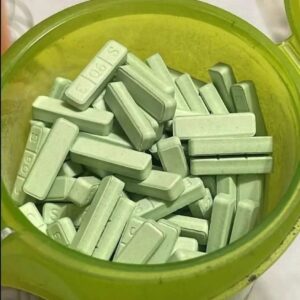
Photographs and visual comparisons can sometimes help with preliminary identification, but they cannot establish the full chemical composition of a tablet. Similarly, a seller’s statement about origin or strength does not independently verify a product.
When authenticity is uncertain, the appropriate course is to avoid consuming the tablet and consult a licensed pharmacist or other qualified professional. Pharmaceutical verification should rely on credible documentation and suitable testing rather than appearance alone.
Professional Verification Methods
Pharmaceutical professionals use recognised references and appropriate analytical procedures to investigate the identity of medicines. The exact method depends on the product, the available documentation, and the reason for verification.
A pharmacist may review the packaging, manufacturer details, product identifiers, and relevant authorised references. If additional analysis is needed, a qualified laboratory may use validated techniques to identify chemical components.
Methods such as chromatography and mass spectrometry can help establish chemical identity in suitable laboratory settings. However, different tests have different capabilities, and identifying one ingredient does not necessarily establish the concentration of every component or prove that the product meets all pharmaceutical quality requirements.
Verification results should therefore be interpreted in context. A responsible product record should not claim more certainty than the available evidence supports.
Storage, Handling, and Traceability
For legitimate pharmaceutical products, storage and handling should follow the manufacturer’s instructions and applicable regulations. Appropriate conditions help preserve product integrity and support quality assurance throughout the authorised supply chain.
Traceability is also important. Reliable records can connect a product to its manufacturer, authorised distributor, batch information, and relevant documentation. These details can assist in investigating quality concerns or responding to a product recall.
Unverified tablets do not have the same established chain of custody as products supplied through regulated channels. Their storage history, handling conditions, and origin may be unknown.
Businesses publishing pharmaceutical information should ensure that any storage, handling, or traceability claims reflect documented procedures rather than assumptions.
Responsible Commercial Product Information
A professional commercial page should provide clear and accurate information without making unsupported promises. For pharmaceutical products, this means confirming the product identity before stating its active ingredient, strength, manufacturer, or regulatory status.
The following principles support responsible product descriptions:
- Use the authorised product name when it has been verified.
- State the active ingredient and strength only when supported by reliable documentation.
- Identify the manufacturer and packaging details accurately.
- Avoid unsupported claims such as “guaranteed authentic,” “pure,” or “pharma-grade.”
- Follow applicable rules governing prescription medicines and online pharmaceutical information.
- Refer questions about prescription use to a licensed healthcare professional.
These practices help maintain the credibility of a business website while ensuring that readers are not misled about the identity or quality of a medicine.
Medical Supervision and Opioid Safety
Oxycodone requires appropriate medical supervision because its effects can extend beyond pain relief. Risks may increase when opioids are combined with alcohol, benzodiazepines, sleeping medicines, or other substances that suppress the central nervous system.
Possible warning signs of an opioid overdose include very slow or irregular breathing, an inability to wake the person, and unusual limpness. If an overdose is suspected, emergency medical assistance should be sought immediately. Naloxone may help reverse opioid effects when available, but urgent medical assessment remains essential.
Anyone with questions about a legitimate prescription should consult their prescriber or pharmacist. An unverified tablet should not be used as a substitute for a prescribed medicine, even if its imprint appears familiar.
Conclusion
RP30, RP20, and RP10 are markings that may be encountered in tablet descriptions, but markings alone do not establish a tablet’s chemical identity, strength, authenticity, or manufacturing quality. Where oxycodone is claimed as an ingredient, reliable verification is particularly important because opioid exposure can carry serious health risks.
A credible pharmaceutical product page should be based on confirmed specifications, appropriate documentation, and transparent quality information. Claims about pharmaceutical standards must be supported by evidence, and uncertain product details should remain clearly identified as unverified.
For businesses and readers alike, accurate identification is the starting point for responsible pharmaceutical information. Professional verification, regulated supply channels, and appropriate medical guidance help distinguish legitimate medicines from products whose contents and quality are unknown.
Reviews
There are no reviews yet.