


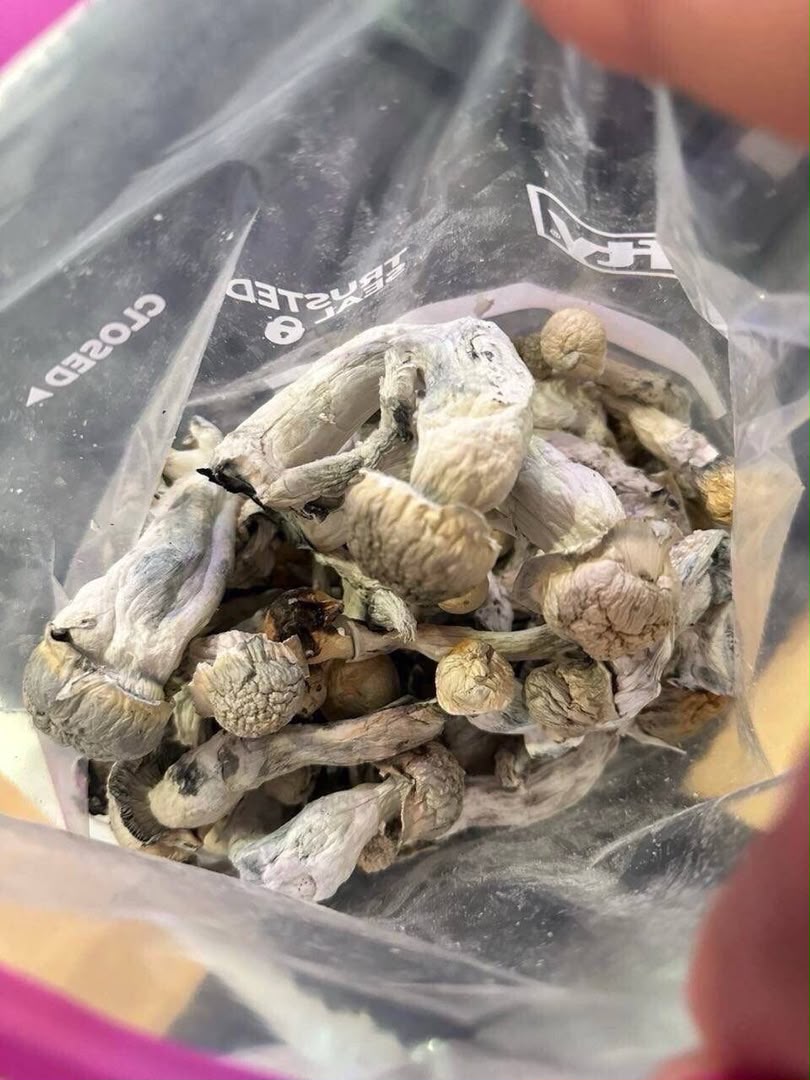
Magic Mushrooms ; Effects, Psilocybin, Risks, and Safety Information
What Are Magic Mushrooms?
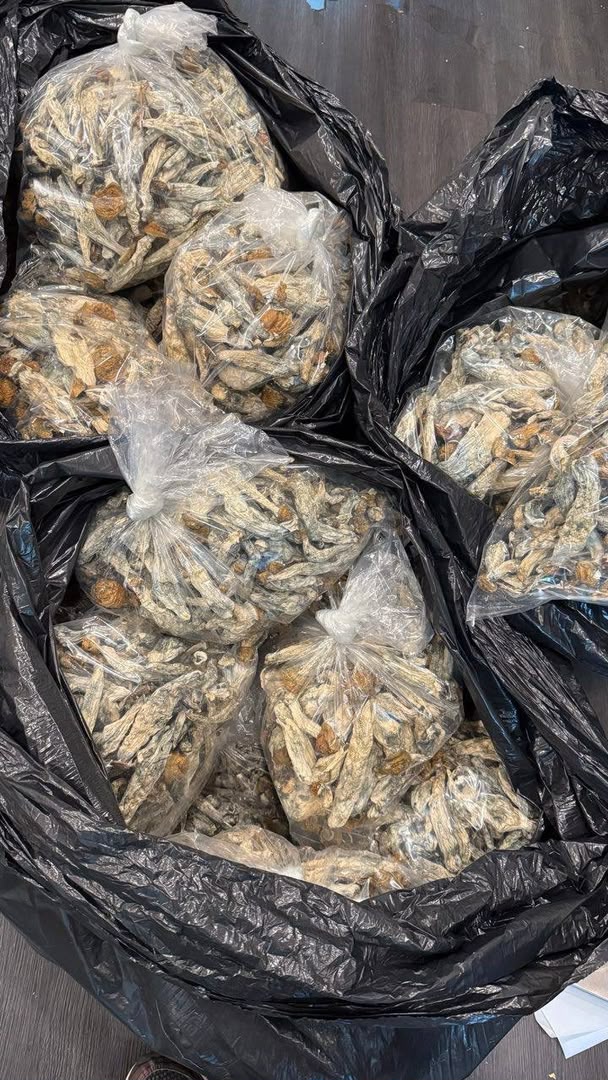
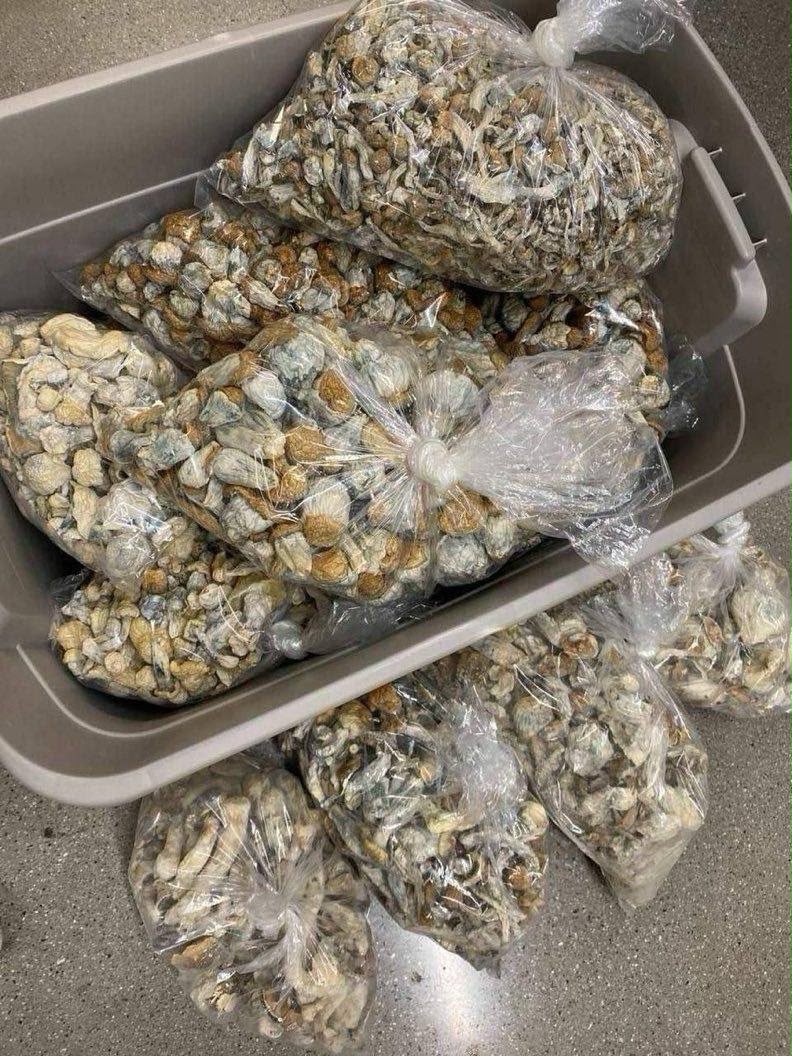
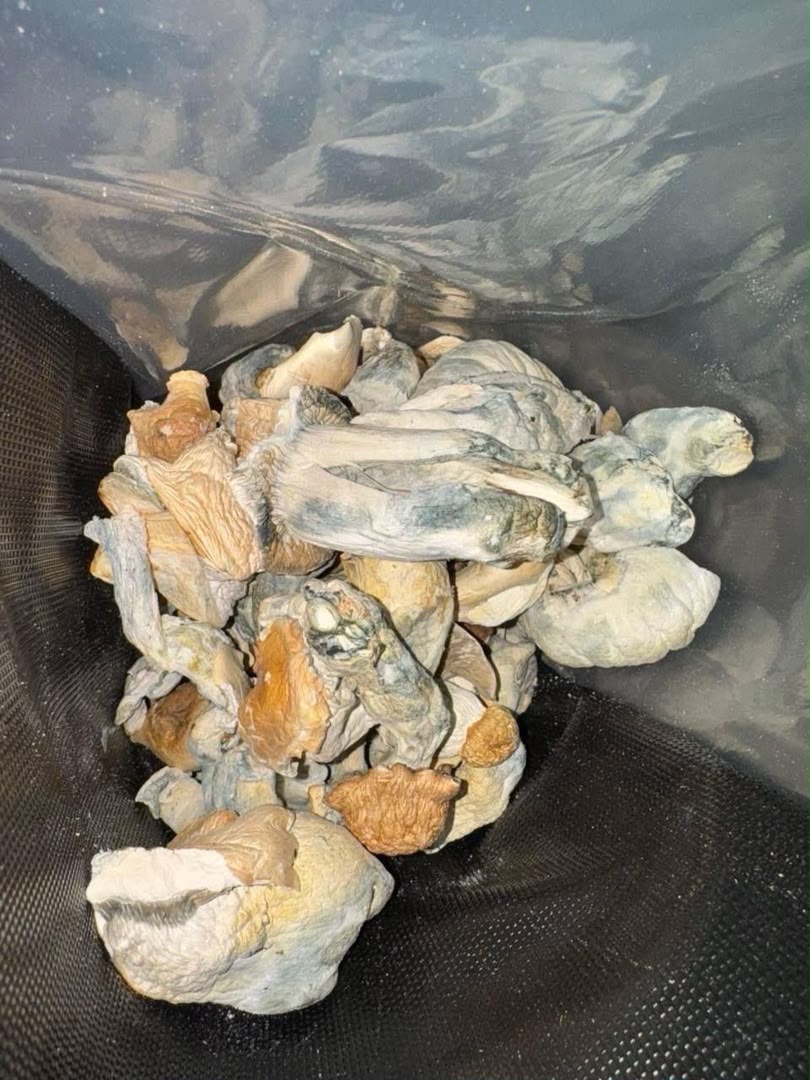
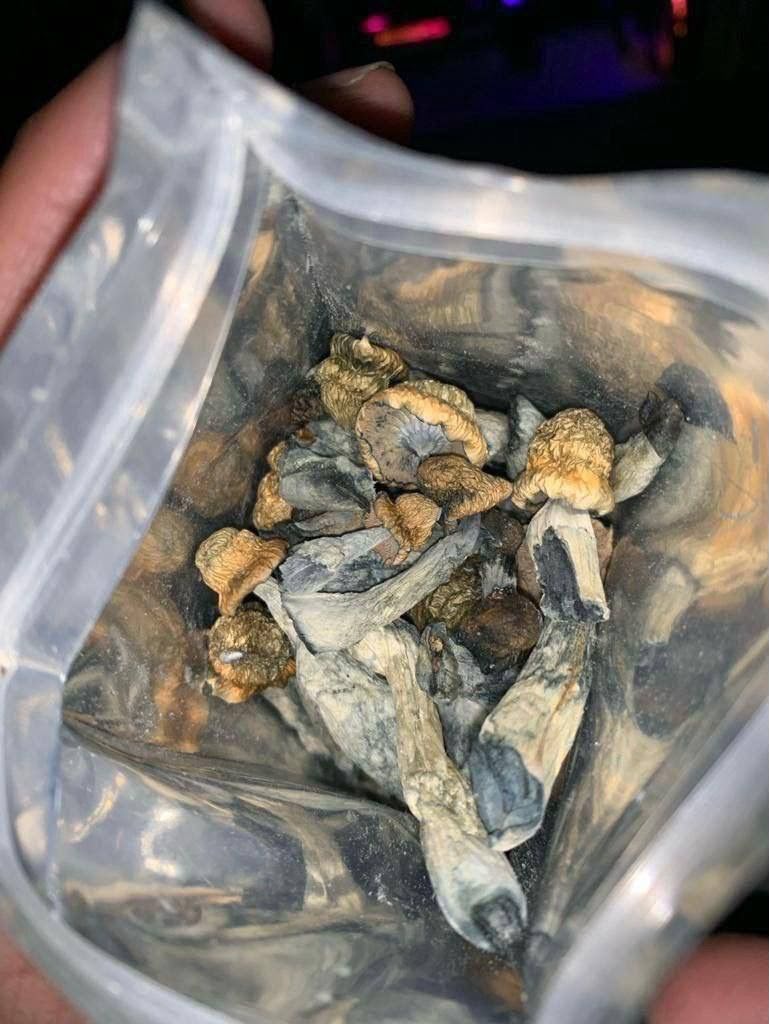
Magic mushrooms are fungi that contain psilocybin, a naturally occurring psychedelic compound. People also call them psychedelic mushrooms, psilocybin mushrooms, shrooms, or hallucinogenic mushrooms. These fungi can alter perception, mood, thinking, and the way a person experiences their surroundings.
Unlike ordinary edible mushrooms, psilocybin mushrooms can produce powerful psychological effects. Their effects depend on several factors, including the species, the amount of psilocybin present, individual sensitivity, and the person’s environment. Therefore, understanding magic mushrooms, their effects, and their potential risks can help people make more informed decisions.
What Is Psilocybin?
Psilocybin is the primary psychedelic compound found in many magic mushroom species. After a person consumes psilocybin, the body converts it into psilocin, which affects serotonin receptors in the brain. In particular, psilocin interacts with the 5-HT2A serotonin receptor, which plays a role in perception, cognition, and mood.
As a result, psilocybin can change how people process sensory information. Some people report changes in colors, sounds, emotions, and their sense of time. However, these experiences vary considerably, and no one can reliably predict how another person will respond.
Researchers continue to study psilocybin for its possible therapeutic applications. Nevertheless, research conducted in controlled clinical settings does not establish that unsupervised mushroom use is safe or effective.
Common Types of Magic Mushrooms
Several mushroom species contain psilocybin or related psychedelic compounds. Commonly discussed species include Psilocybe cubensis, Psilocybe semilanceata, and Psilocybe cyanescens.
Although these names frequently appear in searches for magic mushrooms, species identification requires care. Some poisonous mushrooms resemble psychoactive varieties, and misidentification can lead to serious poisoning.
Furthermore, mushroom appearance does not reliably reveal potency. Two mushrooms that look similar may contain different concentrations of active compounds. For this reason, people should never rely on color, shape, size, or online photographs to determine whether a wild mushroom is safe to consume.
Magic Mushroom Effects
Magic mushroom effects can involve emotional, sensory, cognitive, and physical changes. The experience may feel pleasant, confusing, frightening, or unpredictable.
Psychological Effects
Psilocybin can change a person’s emotional state and perception. Reported psychological effects include:
- Changes in visual perception and sensory awareness
- Altered perception of time and surroundings
- Intense emotions or unusual thought patterns
- Feelings of wonder, connection, or introspection
- Anxiety, panic, confusion, or paranoia
- Difficulty distinguishing subjective experiences from external reality
However, not everyone experiences the same effects. A person’s mood, surroundings, expectations, and mental health can influence the experience.
Physical Effects
Magic mushrooms can also cause physical symptoms. These may include nausea, vomiting, dizziness, headache, increased heart rate, and changes in blood pressure. Some people also experience sweating, tremors, or impaired coordination.
Consequently, psychedelic effects can create additional risks when someone drives, operates machinery, swims, or enters an unfamiliar environment.
How Long Do Magic Mushrooms Last?
The duration of a psilocybin experience varies according to the individual, the mushroom species, the amount of active compound, and other factors. Effects often begin within approximately 20 to 60 minutes after oral consumption and may continue for several hours.
During this period, a person may experience changing emotions, altered sensory perception, and difficulty concentrating. Some effects, such as fatigue, anxiety, or disrupted sleep, may continue after the main psychedelic experience ends.
Importantly, people should not assume that they can drive or perform other safety-sensitive activities simply because the strongest effects have passed.
Magic Mushroom Potency and Dosage Risks
People frequently search for magic mushroom potency, psilocybin concentration, mushroom dosage, and the difference between mild and strong psychedelic effects. However, mushroom potency varies significantly, even among specimens of the same species.
Growing conditions, genetics, storage, and the particular mushroom can all affect the concentration of active compounds. Therefore, the mushroom’s weight alone cannot reliably predict its effects.
In addition, dried mushrooms may differ in potency from fresh mushrooms. Visual appearance cannot confirm psilocybin concentration, and products marketed as magic mushrooms may contain unexpected substances.
Because of this uncertainty, claims about exact strength or predictable effects should be treated cautiously. Taking more because the effects seem delayed can increase the risk of an unexpectedly intense experience.
Are Magic Mushrooms Dangerous?
Magic mushrooms can cause significant psychological and physical risks. Although some people report positive experiences, others experience severe anxiety, panic, confusion, or frightening changes in perception.
People with a personal or family history of psychotic disorders or certain serious mental health conditions may face additional risks. Psilocybin can also interact with medications or other substances, so people should consult a qualified healthcare professional about potential interactions.
Other concerns include accidental poisoning from misidentified wild mushrooms, impaired judgment, injuries, and persistent psychological symptoms. In some cases, people experience continuing visual disturbances after the main effects have ended.
Seek urgent medical assistance if someone develops seizures, loses consciousness, experiences severe agitation, has difficulty breathing, or shows signs of serious poisoning. If someone may have eaten an unidentified mushroom, contact local emergency or poison-control services promptly.
Magic Mushrooms and Mental Health Research
Scientists have investigated psilocybin in controlled clinical studies involving conditions such as depression and anxiety. Some findings suggest potential therapeutic benefits when researchers administer the substance within carefully supervised treatment programs.
However, these studies generally involve screening, controlled conditions, professional monitoring, and psychological support. Their findings do not mean that recreational mushroom use provides the same outcomes.
Moreover, researchers continue to examine long-term effects, appropriate clinical applications, and potential risks. Therefore, people should distinguish evidence from controlled studies from unverified claims found online.
Magic Mushroom Safety and Harm Reduction
Anyone researching psilocybin mushrooms should understand the potential consequences before encountering the substance.
First, never eat a wild mushroom based only on an online photograph or an informal identification. Some poisonous species resemble psychedelic mushrooms and can cause life-threatening organ damage.
Second, avoid driving or operating machinery while experiencing psychedelic effects. Impaired perception and judgment can increase the likelihood of accidents.
Third, avoid combining psychedelic substances with alcohol, recreational drugs, or medications without professional guidance. Combining substances can make effects less predictable and may increase health risks.
Finally, seek professional support if a psychedelic experience causes persistent anxiety, unusual perceptions, or other symptoms that interfere with daily life.
Are Magic Mushrooms Legal?
Magic mushroom laws vary by country and region. Some jurisdictions prohibit psilocybin, while others have introduced limited exceptions, decriminalization measures, or tightly regulated medical and research programs.
However, a change in enforcement policy does not necessarily make possession, cultivation, sale, or distribution legal. Anyone researching psilocybin laws should consult current official legislation for their location rather than relying on outdated online information.
Frequently Asked Questions About Magic Mushrooms
What are magic mushrooms called?
People commonly use the terms magic mushrooms, psychedelic mushrooms, psilocybin mushrooms, shrooms, and hallucinogenic mushrooms. These terms usually refer to fungi that contain psilocybin or related psychedelic compounds.
What does psilocybin do?
The body converts psilocybin into psilocin. Psilocin affects serotonin receptors in the brain and can alter perception, mood, thinking, and sensory experiences.
How long do magic mushroom effects last?
Effects commonly last several hours, although the timing varies. Onset, intensity, and duration depend on the individual, the mushroom’s potency, and other factors.
Can magic mushrooms cause anxiety?
Yes. Psilocybin can trigger anxiety, panic, paranoia, or confusion. The intensity of these effects varies, and some people may experience persistent psychological difficulties.
Are all magic mushrooms equally potent?
No. Potency varies by species, individual mushroom, growing conditions, and storage. Appearance alone cannot establish the concentration of psilocybin.
Are magic mushrooms legal?
The legal status depends on the jurisdiction and the specific activity involved. Check current official local laws before making assumptions about possession, cultivation, or use.
Conclusion
Magic mushrooms are psychedelic fungi that contain psilocybin, a compound capable of changing perception, mood, and cognition. Although researchers continue to investigate possible therapeutic applications, these substances also carry important psychological, physical, and legal risks.
Understanding psilocybin effects, mushroom potency, possible side effects, poisoning risks, and current legislation provides a more reliable foundation than depending on promotional claims or anecdotal reports. Above all, accurate information helps people recognize the uncertainty surrounding psychedelic mushrooms and take potential harms seriously.


Reviews
There are no reviews yet.