

OC-40 Oxycodone: Product Identification, Verification, and Safety Information
OC-40 Oxycodone is a term associated with a purported oxycodone tablet. Oxycodone is a prescription opioid analgesic used to manage certain types of pain under medical supervision. It acts on opioid receptors in the central nervous system, changing how the body perceives pain.
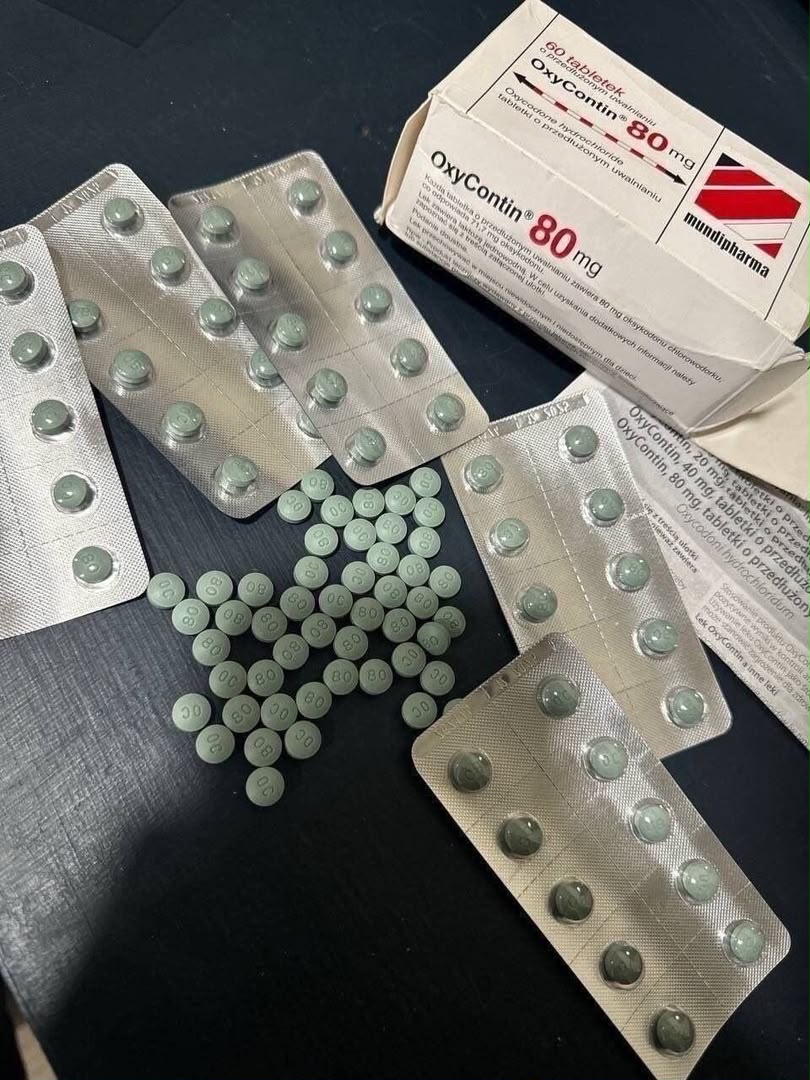
Because oxycodone can cause serious adverse effects, reliable product identification is essential. A tablet marking, advertised strength, product photograph, or seller description cannot independently establish a tablet’s identity, ingredients, dosage, or manufacturing quality. These details require appropriate verification through reliable pharmaceutical sources.
Understanding the OC-40 Designation
The designation “OC-40” may be used in an online product description or in discussions of a purported tablet. However, the designation alone is not sufficient to confirm that a tablet contains oxycodone or that it has a particular strength.
Tablet markings can be copied, and counterfeit medication may resemble legitimate products. Tablets obtained through unverified sources can contain different substances, inconsistent quantities of active ingredients, or unexpected contaminants.
The appearance of a tablet may provide preliminary information, but it should never be the only basis for deciding what a medicine contains. A licensed pharmacist or qualified healthcare professional can advise on appropriate identification procedures and help assess relevant documentation.
Pharmaceutical Verification and Quality Assurance
Verifying a prescription medicine involves more than checking its name or appearance. Reliable assessment may include the manufacturer’s identity, traceable distribution records, packaging and batch information, regulatory documentation, and appropriate laboratory testing when necessary.
Manufacturer details should be independently verifiable. Product documentation should be consistent with the claimed medicine, and the supply chain should meet applicable pharmaceutical regulations.
Laboratory analysis performed by a qualified facility can help establish a sample’s chemical composition and strength. However, a test result does not necessarily establish the manufacturer’s identity, manufacturing conditions, or regulatory status. Those aspects may require separate documentation.
Claims such as “genuine,” “pure,” or “pharmaceutical-grade” should not be treated as established facts unless supported by appropriate evidence.
Medical Uses of Oxycodone
Oxycodone is prescribed for certain pain conditions when a healthcare professional determines that opioid treatment is appropriate. Its effects on the central nervous system can reduce the perception of pain, but they can also affect alertness, coordination, and breathing.
Potential adverse effects include nausea, constipation, dizziness, drowsiness, and physical dependence. More serious complications include respiratory depression, overdose, and death.
The risks associated with oxycodone vary according to individual circumstances, other medications, opioid tolerance, and the amount taken. An online description cannot determine whether a particular tablet or strength is suitable for any individual.
Oxycodone should only be taken by the person for whom it was prescribed and according to the instructions of an authorized healthcare professional.
Why Tablet Markings Are Not Enough
An imprint can be one part of a preliminary identification process, but it is not conclusive proof of a tablet’s contents. Counterfeiters may reproduce markings and packaging associated with legitimate medication.
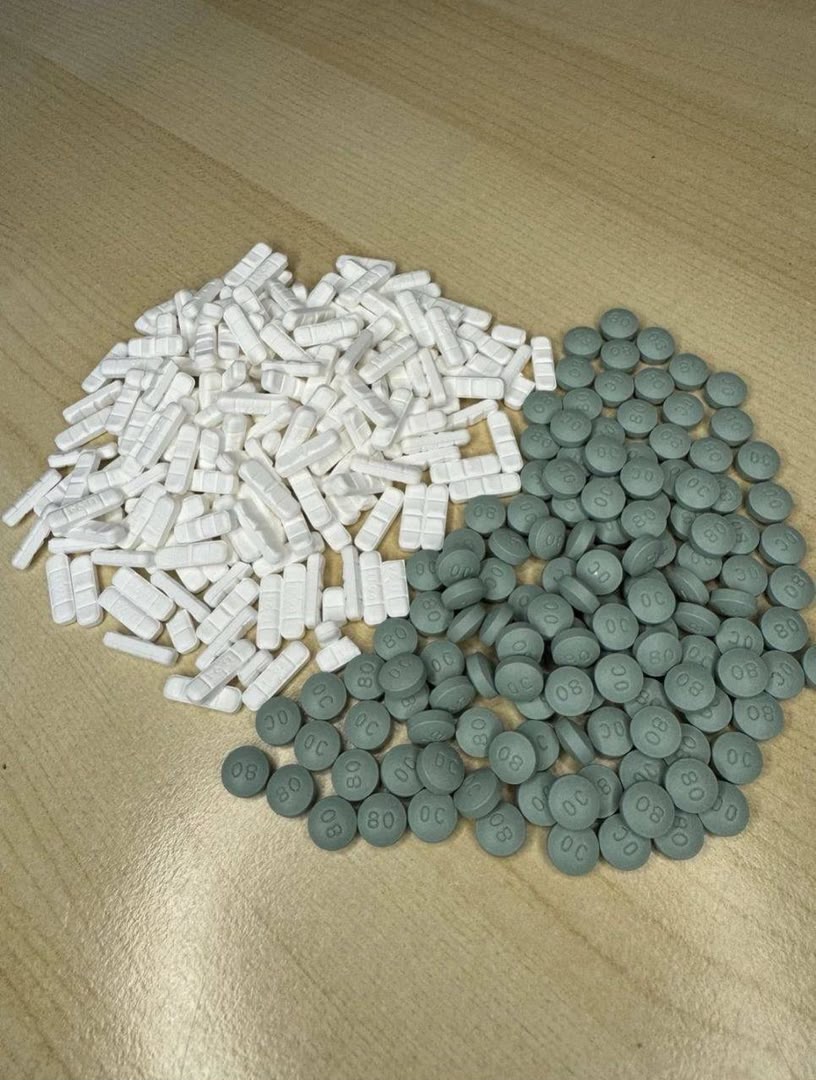
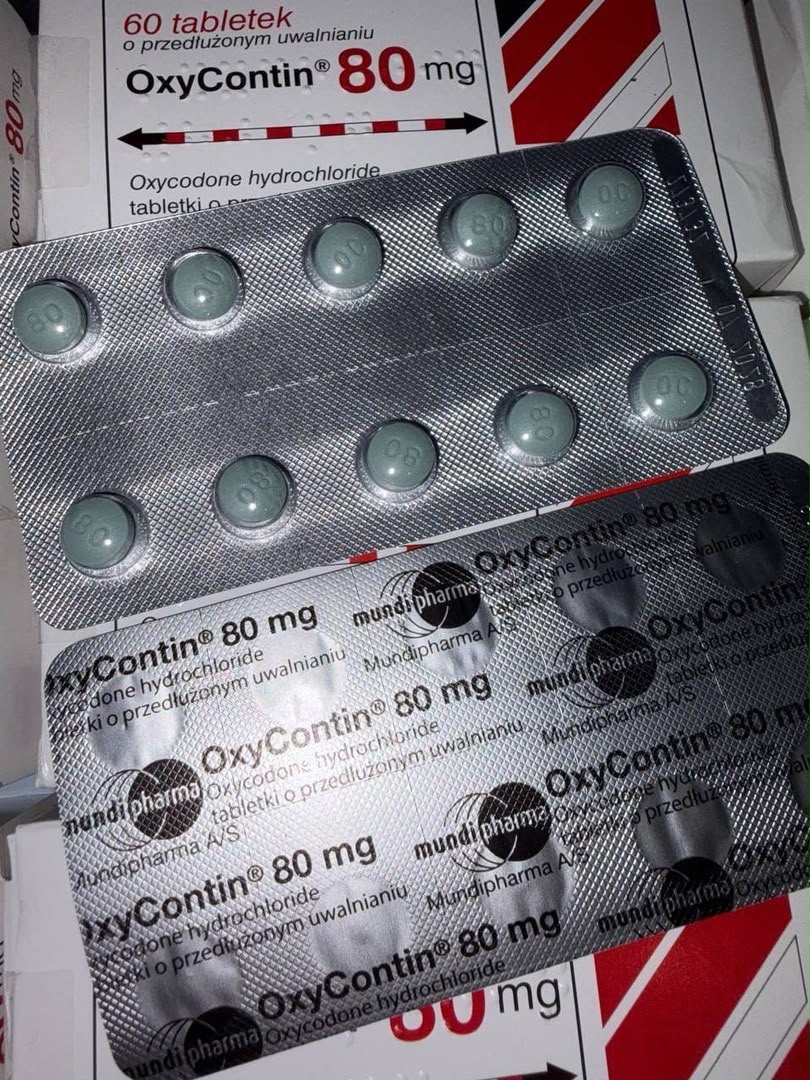
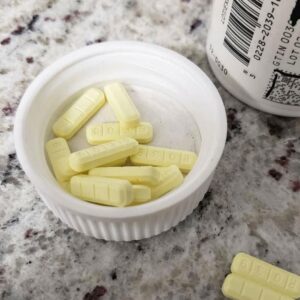
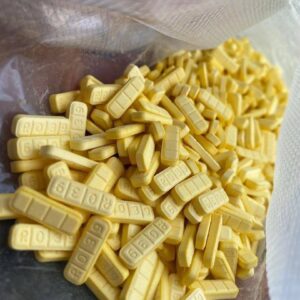
Photographs have additional limitations: they cannot reveal a tablet’s chemical composition, purity, or actual dosage. Even packaging that looks authentic cannot independently guarantee that the contents match the label.
If a tablet’s identity is uncertain, do not take it, taste it, crush it, or attempt an improvised home test. Consult a licensed pharmacist or healthcare professional about safe verification options.
Important Medication Interactions
Oxycodone can interact dangerously with alcohol, benzodiazepines, sleeping medications, other opioids, and other substances that suppress the central nervous system. These combinations may cause extreme sedation and dangerously slow or stopped breathing.
People prescribed oxycodone should inform their healthcare professional about all medicines and other substances they use. They should follow their prescription instructions and seek professional advice before changing their treatment.
Prescription medication should never be shared with another person, even if that person experiences similar pain.
Recognizing an Opioid Emergency
An opioid overdose is a medical emergency. Warning signs may include very slow or irregular breathing, extreme drowsiness, inability to wake the person, limpness, blue or grey lips, or unusual choking and gurgling sounds.
If an overdose is suspected, contact local emergency medical services immediately. Administer naloxone if it is available and follow the emergency responder’s instructions. If the person is not breathing normally, follow the dispatcher’s guidance for rescue breathing or CPR if you are able to provide it.
Do not leave the person alone. Even if symptoms improve after naloxone, urgent medical assessment remains important because opioid effects can last longer than the medication used to reverse the overdose.
Responsible Pharmaceutical Information
Accurate product information should distinguish between a label’s claims and independently verified facts. A designation such as OC-40 cannot, by itself, prove that a tablet is authentic, contains oxycodone, or has a particular strength.
For legitimate prescription medication, the manufacturer, distribution source, product documentation, and applicable regulatory status should be checked through authorized channels. Where necessary, qualified laboratory analysis can help establish the chemical identity and strength of a sample.
Product descriptions should avoid unsupported assurances about purity, authenticity, or safety. Requirements for prescription medicines and their distribution vary by jurisdiction, so the applicable local regulations must also be considered.
Frequently Asked Questions
Does OC-40 confirm that a tablet contains oxycodone?
No. A marking alone cannot conclusively establish the identity or contents of a tablet.
Can the advertised strength be trusted without verification?
No. An advertised strength is a claim until supported by reliable pharmaceutical evidence or appropriate testing.
Can a photograph establish authenticity?
No. A photograph can show visual features but cannot confirm chemical composition, purity, or actual dosage.
What should someone do with an unidentified tablet?
Do not take it. Consult a licensed pharmacist or healthcare professional about appropriate identification and verification.
Why is pharmaceutical documentation important?
Documentation can help establish a product’s manufacturer, distribution history, batch identity, and regulatory status. Appropriate testing may also be necessary to establish its chemical composition.
Conclusion
OC-40 Oxycodone is a term associated with a purported oxycodone tablet, but a product name or marking cannot independently confirm authenticity, composition, or dosage. Reliable documentation, traceable pharmaceutical sourcing, and appropriate testing are important whenever a medication’s identity is uncertain.
Oxycodone has legitimate medical uses, but it also carries significant risks, including sedation, physical dependence, respiratory depression, and potentially fatal overdose. Product identification should therefore rely on qualified professionals and trustworthy evidence rather than unverified claims or appearance alone.


Reviews
There are no reviews yet.