

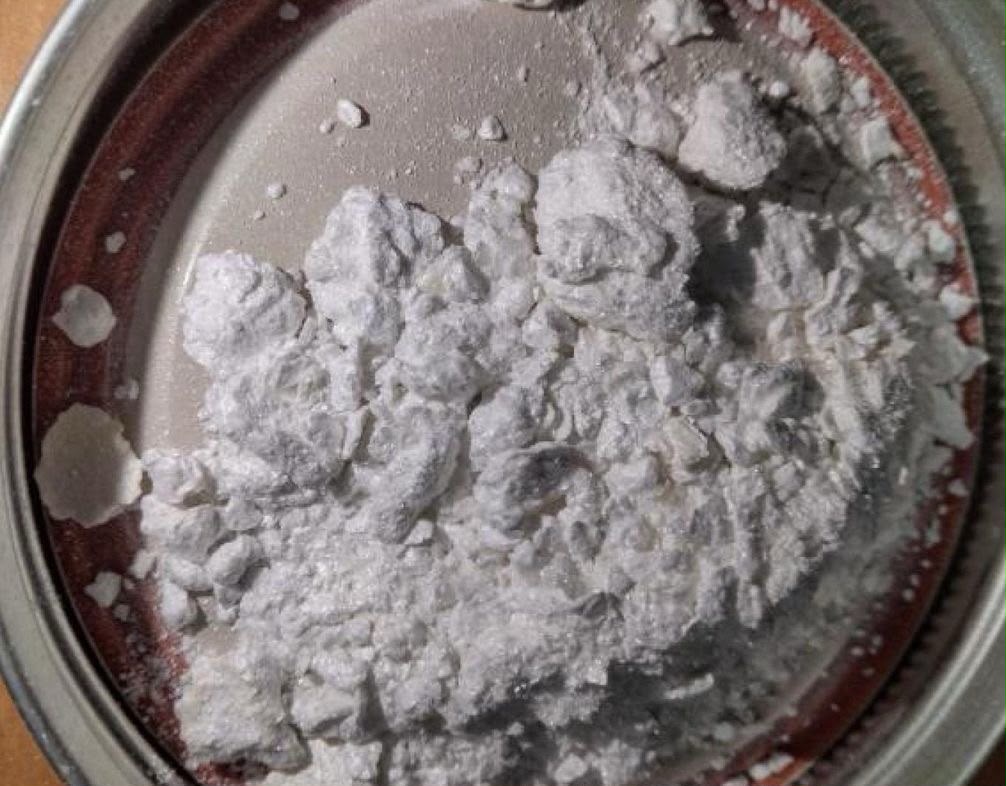
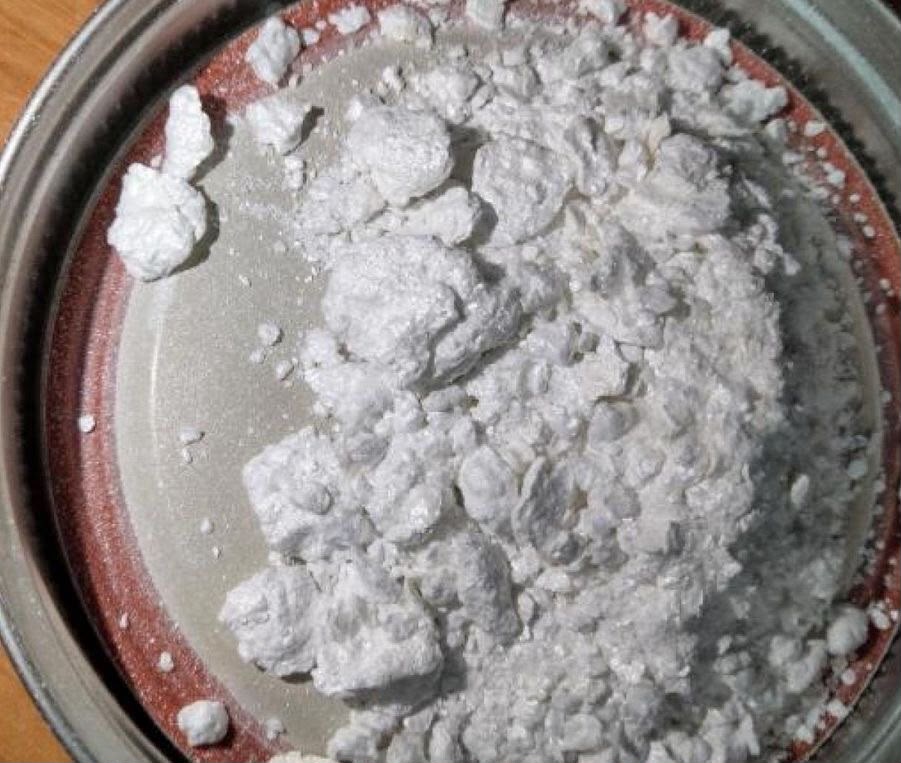
Mescaline Hemisulphate: Scientific Overview and Research Background
Introduction to Mescaline Hemisulphate
Mescaline hemisulphate is a salt form associated with mescaline, a naturally occurring psychedelic compound found in certain cactus species. Mescaline has attracted scientific interest because of its effects on perception, mood, sensory experiences, and consciousness.
Researchers study mescaline to better understand how psychedelic compounds interact with the central nervous system. In particular, scientific investigations examine its relationship with serotonin receptors and the neurological processes that contribute to changes in perception and awareness.
Mescaline also has historical significance in ethnobotany and the study of traditional plant use. Its chemical properties, cultural history, and pharmacological effects make it an important subject across several areas of scientific research.
What Is Mescaline?
Mescaline is a psychedelic compound belonging to the phenethylamine family. Unlike tryptamine-based psychedelics, mescaline has a different chemical structure, although it can influence some of the same neurotransmitter systems.
The compound occurs naturally in certain cacti, including peyote and San Pedro. Researchers investigate these plants and their chemical constituents to understand their biological properties and their historical roles in different cultural traditions.
Although scientists have studied mescaline for many years, research continues to examine the relationship between its molecular structure, receptor activity, and subjective effects.
Understanding Mescaline Hemisulphate
Mescaline hemisulphate refers to a salt form of mescaline associated with sulfuric acid. Salt forms can influence certain physical and chemical characteristics of a compound, including how it behaves during handling and laboratory analysis.
However, a chemical name alone does not establish the identity, purity, or composition of a particular sample. Reliable analytical testing is necessary to confirm the substance and characterize its chemical properties.
For scientific documentation, it is important to distinguish the name of a chemical form from independently verified findings about a specific material.
Mescaline and Serotonin Receptors
One important area of mescaline research involves serotonin receptors. Serotonin is a neurotransmitter that helps regulate numerous processes, including mood, cognition, and sensory perception.
Mescaline interacts with serotonin receptor systems, particularly the 5-HT2A receptor, which plays a significant role in the effects of several psychedelic compounds. These interactions can alter patterns of neural signaling and contribute to changes in subjective experience.
Nevertheless, the relationship between receptor activity and consciousness is complex. Researchers continue to investigate how molecular interactions influence sensory processing, emotional responses, and awareness.
Effects on Perception and Consciousness
Mescaline is associated with changes in sensory perception and subjective awareness. Research and historical accounts describe experiences involving altered visual perception, changes in the perceived passage of time, and differences in emotional or cognitive processing.
Scientists study these effects to explore how the brain interprets sensory information and constructs conscious experience. By examining psychedelic effects alongside neurological measurements, researchers can investigate relationships between brain activity and perception.
However, experiences vary considerably between individuals and circumstances. Personal accounts can inform scientific questions, but researchers must use appropriate methods to establish reliable conclusions.
Pharmacological Properties and Scientific Investigation
Mescaline research examines several aspects of its pharmacology, including receptor interactions, metabolism, and effects on the central nervous system.
Researchers investigate how the compound interacts with biological signaling systems and how these interactions relate to observed psychological effects. They also study how the body processes mescaline and how its properties compare with those of other psychedelic substances.
Findings from laboratory experiments, historical observations, and human research provide different kinds of evidence. Each must be interpreted according to its methods and limitations.
Consequently, scientific descriptions should distinguish well-established findings from questions that remain under investigation.
Historical Significance in Ethnobotany
Mescaline has an important place in ethnobotanical research because of its association with certain cactus species and longstanding cultural traditions.
Ethnobotany examines the relationships between people and plants, including traditional knowledge, cultural practices, and historical uses. Researchers studying mescaline-containing cacti consider botanical characteristics alongside the cultural and historical contexts in which these plants have been used.
This perspective helps explain why mescaline is relevant beyond pharmacology alone. Its study brings together botanical science, anthropology, history, and neuroscience.
Researchers should also approach cultural traditions respectfully and distinguish documented historical information from unsupported generalizations.
Chemical Identification and Laboratory Analysis
Accurate chemical identification is essential when evaluating mescaline hemisulphate or any other chemical substance. A product label or stated chemical name cannot independently confirm the contents of a sample.
Qualified laboratories can use appropriate analytical techniques to examine chemical identity, composition, and purity. Testing may also help identify impurities or unexpected substances.
The findings depend on the methods used and the quality of the sample. Therefore, reliable documentation should clearly distinguish between a stated description and results confirmed through laboratory analysis.
Safety and Responsible Scientific Information
Mescaline can produce substantial changes in perception, mood, and awareness. Its effects may also involve anxiety, confusion, increased heart rate, and other physiological or psychological responses.
The risks associated with a particular substance depend on several factors, including its actual composition, the individual’s circumstances, and possible interactions with other substances. A chemical label alone cannot establish that a sample is safe.
Anyone experiencing a severe or unexpected reaction should seek urgent professional medical assistance. Responsible scientific information should explain relevant uncertainties without overstating either the benefits or the risks.
Mescaline in Contemporary Neuroscience
Mescaline remains relevant to psychedelic research because it provides a way to investigate the relationship between serotonin signaling, sensory processing, and conscious awareness.
Researchers continue to examine how psychedelic compounds influence neural activity and how those changes relate to subjective experiences. This work contributes to broader questions about perception, cognition, and the biological foundations of consciousness.
Although scientific interest continues, researchers must evaluate potential therapeutic applications separately from basic pharmacological findings. Evidence of an interesting biological effect does not automatically demonstrate clinical effectiveness or safety.
Conclusion
Mescaline hemisulphate is a salt form associated with mescaline, a naturally occurring psychedelic compound found in certain cactus species. Its pharmacological properties, interaction with serotonin receptors, and effects on perception have made mescaline an important subject in neuroscience and psychedelic research.
The compound also holds historical significance in ethnobotany and the study of traditional plant use. Together, these scientific and historical perspectives help explain its continuing relevance.
Accurate information requires reliable scientific evidence and appropriate chemical verification. By distinguishing established findings from unconfirmed claims, researchers and readers can develop a clearer understanding of mescaline hemisulphate and its place in contemporary scientific study.
SEO title: Mescaline Hemisulphate: Scientific Overview and Research
Meta description: Explore mescaline hemisulphate, its chemical background, serotonin receptor interactions, effects on perception, and significance in ethnobotany and neuroscience.
Suggested URL slug: mescaline-hemisulphate-overview
Focus keywords: mescaline hemisulphate, mescaline research, mescaline pharmacology, serotonin receptors, psychedelic neuroscience, ethnobotany, mescaline chemical structure, consciousness research.

Reviews
There are no reviews yet.