

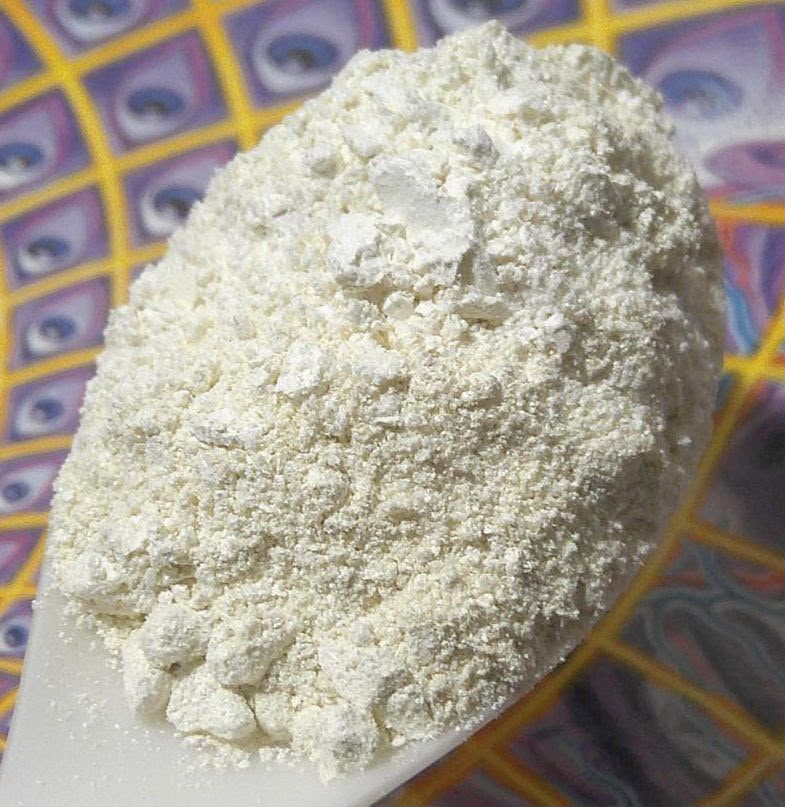
Mescaline Sulphate: Chemistry, Pharmacology, and Scientific Research
Introduction to Mescaline Sulphate
Mescaline sulphate is a chemical name associated with mescaline, a naturally occurring psychedelic compound that has attracted scientific interest for decades. Researchers study mescaline to better understand how psychedelic substances influence perception, mood, cognition, and conscious experience. Its history also connects modern pharmacology with ethnobotanical research and the traditional use of certain cacti.
Mescaline belongs to a group of compounds known as psychedelics. These substances can alter the way a person experiences sensory information, emotions, thoughts, and their surroundings. However, the effects can vary considerably between individuals and may be influenced by the substance, the amount taken, a person’s health, and their environment.
Understanding mescaline sulphate requires looking beyond its chemical name. Its molecular structure, salt form, interaction with serotonin receptors, and potential health risks are all relevant to the scientific discussion.
What Is Mescaline?
Mescaline is a psychoactive alkaloid found naturally in several cactus species, including peyote (Lophophora williamsii) and certain Echinopsis species. It has a long history of use in some Indigenous cultural and ceremonial traditions, where its role extends beyond its pharmacological effects.
In modern scientific research, mescaline is examined as part of a broader effort to understand how psychedelic compounds affect the central nervous system. Researchers investigate its relationship with serotonin signalling, its effects on perception, and the biological processes that may contribute to altered states of consciousness.
Although mescaline occurs naturally in certain plants, natural origin does not automatically mean a substance is safe. Its effects can be intense and unpredictable, and it may cause significant psychological or physical discomfort.
Understanding the Sulphate Form
The term mescaline sulphate refers to a salt form of mescaline associated with sulphate ions. Chemists often prepare compounds as salts because the choice of salt form can influence properties such as stability, solubility, and how a substance behaves during laboratory handling.
A compound’s salt form is important in chemical analysis. For example, a measured mass of a salt may not represent the same amount of the active mescaline component as an equal mass of another salt form. Accurate interpretation therefore requires clear information about the chemical identity, composition, purity, and analytical method used.
The name alone does not confirm the contents or quality of a particular sample. Reliable identification generally requires appropriate analytical testing rather than relying solely on a label, online description, or appearance.
How Mescaline Interacts With the Brain
Mescaline’s psychedelic effects are associated primarily with its activity at serotonin receptors, particularly the 5-HT2A receptor. Serotonin is a neurotransmitter involved in several functions, including mood, sensory processing, and cognition.
When a psychedelic compound influences serotonin signalling, communication across certain brain networks can change. Scientists investigate how these changes relate to differences in sensory perception, emotional responses, attention, and the interpretation of experiences.
However, the relationship between receptor activity and subjective experience is complex. A single receptor does not explain every effect, and researchers continue to investigate the interactions between brain networks, neurotransmitter systems, and individual psychological factors.
Mescaline is chemically distinct from other well-known psychedelics, even though some of these compounds share aspects of their pharmacological activity. Differences in molecular structure can influence how substances interact with biological targets and how their effects develop over time.
Perceptual and Psychological Effects
Scientific and historical accounts describe mescaline as capable of changing visual perception, the experience of time, emotional responses, and the interpretation of thoughts or surroundings. Some people may experience heightened sensory impressions, unusual patterns, or a changed sense of connection with their environment.
The experience is not necessarily pleasant. Anxiety, confusion, fear, nausea, and other unwanted effects can occur. A person may also find it difficult to distinguish between an internal experience and external events while under the influence.
Responses vary widely. Previous experiences, expectations, mental state, physical health, and environmental conditions may all contribute to the outcome. It is therefore inaccurate to describe mescaline as producing one consistent experience or to assume that every person responds in the same way.
Descriptions of subjective effects are useful for research, but personal reports alone cannot establish that a substance is medically beneficial or suitable for a particular individual.
Mescaline in Historical and Ethnobotanical Research
Mescaline has an important place in the history of psychedelic science. Researchers have studied it in connection with the chemistry of psychoactive plants, the pharmacology of altered consciousness, and the relationship between traditional knowledge and modern scientific investigation.
Peyote, one natural source of mescaline, has a long-standing ceremonial and spiritual role in certain Indigenous communities. These cultural contexts should be understood respectfully and not reduced to the substance’s chemical properties alone.
Ethnobotanical research examines how communities understand, use, and manage plants within their cultural and environmental settings. When conducted responsibly, this research can document traditional knowledge while recognising the rights and perspectives of the communities involved.
The history of mescaline also illustrates how scientific interest in psychoactive substances has changed over time, from early chemical investigations to modern studies of consciousness and neuroscience.
Laboratory Identification and Chemical Analysis
Chemical identification is an important part of research involving mescaline and related compounds. A name on a container or product description is not, by itself, proof of identity, purity, or concentration.
Laboratories may use validated analytical techniques to investigate a sample’s chemical composition. Depending on the research question, these can include chromatography, mass spectrometry, and spectroscopic methods. Different techniques provide different types of information, and results must be interpreted by qualified personnel.
Analytical testing can help distinguish a compound from other substances and identify impurities or unexpected components. Nevertheless, no single statement about a product’s appearance or claimed origin can substitute for reliable laboratory evidence.
This distinction matters because inaccurate identification can create serious health risks. A sample that is mislabelled, contaminated, or chemically different from what is claimed may have unpredictable effects.
Health and Safety Considerations
Mescaline can produce significant changes in perception and mental state. Potential unwanted effects include nausea, vomiting, increased heart rate, elevated blood pressure, anxiety, panic, and confusion. The intensity and duration of effects can vary, and psychological distress may persist beyond the most noticeable perceptual changes.
People with certain medical or psychiatric vulnerabilities may face additional risks. Combining psychoactive substances can also make effects less predictable. For these reasons, mescaline should not be assumed to be harmless because it is associated with a naturally occurring plant or has been discussed in scientific research.
Anyone experiencing severe agitation, loss of consciousness, chest pain, seizures, dangerously high body temperature, or other serious symptoms should seek urgent medical attention. Accurate information about any substance taken can help healthcare professionals assess the situation.
Legal status also varies by country and jurisdiction. Anyone researching mescaline should consult the applicable local laws and authoritative sources rather than assuming that the substance is permitted because it appears in scientific or historical literature.
Current Research and Scientific Questions
Interest in psychedelics has encouraged broader investigation into serotonin signalling, perception, emotional processing, and the neural basis of consciousness. Mescaline provides one point of comparison for researchers examining how different psychedelic compounds produce overlapping or distinct effects.
Important questions remain about its detailed mechanisms, individual differences in response, potential risks, and the limits of existing evidence. Findings from laboratory studies, historical accounts, and human observations are not interchangeable; each type of evidence has strengths and limitations.
Research involving psychoactive substances requires careful ethical review, appropriate safeguards, and qualified oversight. Claims about therapeutic value should be evaluated using reliable clinical evidence rather than promotional language or isolated personal experiences.
Conclusion
Mescaline sulphate is a chemical form associated with mescaline, a psychedelic compound known for its role in neuroscience, pharmacology, and ethnobotanical history. Scientific interest centres on its molecular properties, its interaction with serotonin receptors, and its effects on perception and consciousness.
A balanced understanding includes both its research significance and its potential risks. Chemical names do not establish the identity or quality of a specific sample, and scientific interest should not be mistaken for proof of safety or medical benefit. Reliable evidence, careful analysis, respect for cultural context, and awareness of applicable laws remain essential when discussing mescaline.




Reviews
There are no reviews yet.