


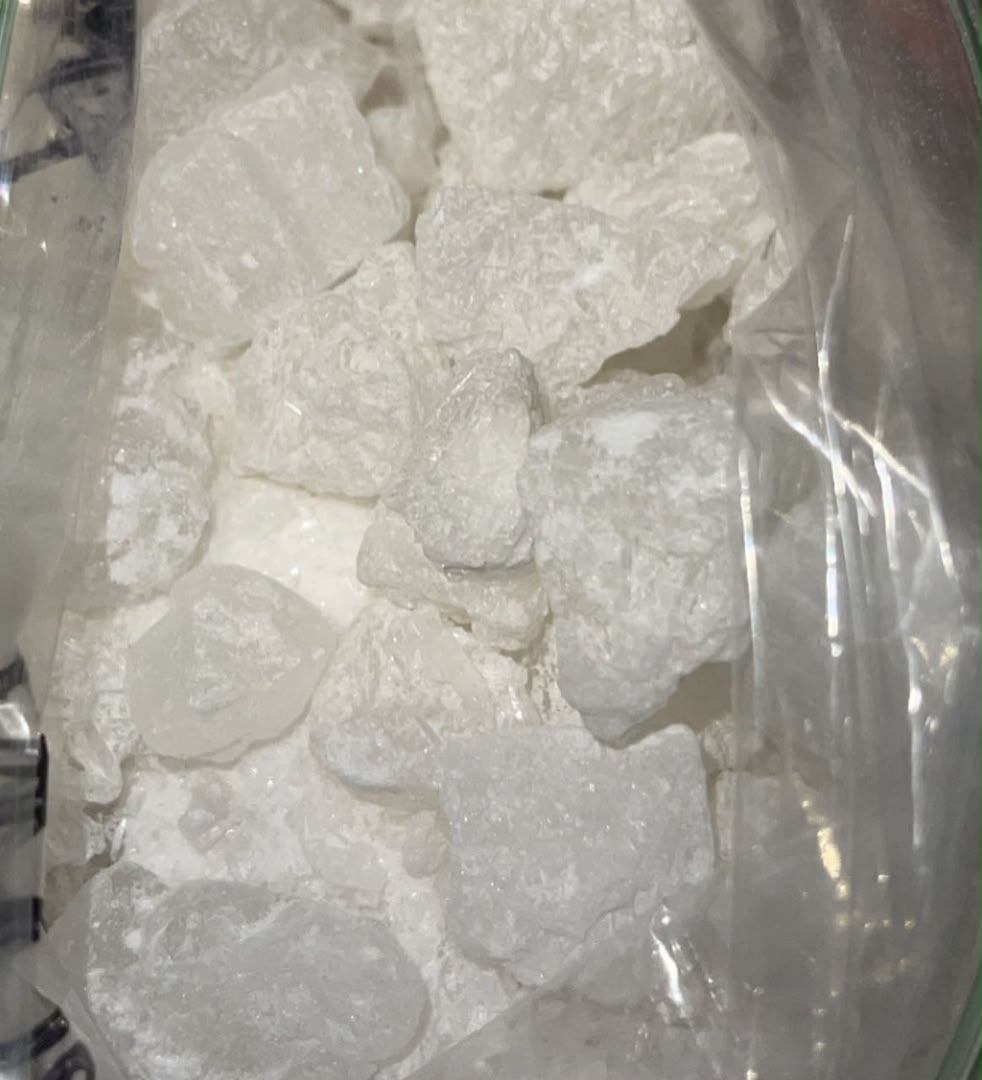
R-Isomer Ketamine: Research, Pharmacological Properties, and Health and Safety Considerations
1. Introduction
R-isomer ketamine, scientifically known as R(-)-ketamine or arketamine, represents one of the two mirror-image forms of ketamine. Specifically, scientists classify these forms as enantiomers because they share the same molecular formula but differ in their three-dimensional molecular arrangements.
Furthermore, researchers study R-ketamine to understand its pharmacological properties, neurological effects, and potential therapeutic applications. In addition, scientists examine its differences from S-ketamine (esketamine), particularly regarding receptor activity, antidepressant effects, and adverse reactions. Consequently, these investigations help researchers understand how molecular structure influences biological activity and potential medical applications.
2. Academic Research and Pharmacological Properties
2.1 Chemical Structure
Ketamine contains two distinct enantiomers, namely:
- R(-)-ketamine (arketamine): One mirror-image form of ketamine.
- S(+)-ketamine (esketamine): The other mirror-image form, which demonstrates greater potency in certain anesthetic and receptor-related effects.
Although these enantiomers share the same molecular formula, their different spatial arrangements influence how they interact with biological systems. Therefore, researchers investigate these structural differences to understand how molecular configuration affects pharmacological activity. Moreover, these comparisons provide valuable information about stereochemistry and its importance in drug research.
2.2 Mechanism of Action
Ketamine interacts with the N-methyl-D-aspartate (NMDA) receptor, which plays an important role in regulating communication between nerve cells. In particular, this receptor contributes to glutamate signalling, neuronal activity, and synaptic plasticity.
Furthermore, scientists investigate how R-ketamine influences glutamate signalling and other neurological pathways. Researchers have also examined its relationship with extracellular signal-regulated kinase (ERK) signalling and other mechanisms associated with antidepressant effects. Nevertheless, scientists have not fully established every mechanism responsible for R-ketamine’s reported biological effects. Consequently, further research remains necessary to explain its pharmacological activity.
2.3 Potential Medical Applications
Researchers continue to investigate R-ketamine as a potential treatment candidate for depression and other neurological conditions. In particular, experimental studies have examined its possible antidepressant properties and its differences from S-ketamine.
However, researchers must distinguish promising experimental findings from established clinical evidence. Although some studies have reported encouraging results, scientists have not yet established R-ketamine as an approved, standard antidepressant treatment. Therefore, further controlled human studies must establish its effectiveness, safety, and possible therapeutic applications.
3. Health and Safety Considerations
3.1 Short-Term Health Risks
Ketamine can affect the central nervous system and interfere with normal brain functions. Consequently, exposure can produce several adverse effects that may affect physical coordination, awareness, and judgment.
For example, medical authorities identify the following possible short-term effects:
- Confusion and impaired judgment.
- Changes in perception and awareness.
- Hallucinations and disorientation.
- Reduced coordination and consciousness.
- Changes in blood pressure and heart rate.
- Respiratory complications in severe cases.
Furthermore, the severity of these effects can vary depending on individual circumstances and the medical context. Therefore, healthcare professionals must assess potential risks and monitor patients appropriately.
3.2 Long-Term Health Risks
In addition to short-term effects, repeated non-medical ketamine exposure can damage several aspects of physical and psychological health. Researchers have associated prolonged misuse with complications affecting the urinary system, liver function, memory, and mental well-being.
Specifically, researchers and medical authorities have identified the following possible long-term complications:
- Bladder and urinary tract damage.
- Liver and biliary complications.
- Memory and cognitive difficulties.
- Increased psychological distress.
- Dependence and problematic substance use.
Moreover, these complications demonstrate why repeated non-medical exposure presents significant health concerns. Consequently, individuals should not underestimate the potential long-term effects of ketamine misuse.
3.3 Medical Supervision and Safety
Given the potential health risks, healthcare professionals must evaluate patients before administering ketamine-based treatments. Furthermore, medical teams should monitor patients, assess adverse reactions, and provide appropriate follow-up care.
In addition, individuals should never experiment with unprescribed ketamine products or assume that R-ketamine offers greater safety than other ketamine formulations. Although researchers investigate differences between its enantiomers, those differences do not establish that R-ketamine is harmless. Therefore, qualified healthcare professionals must guide any legitimate medical use.
3.4 Research Limitations
Despite growing scientific interest, researchers still need stronger clinical evidence to establish the long-term safety, effectiveness, and therapeutic potential of R-ketamine. In particular, scientists must conduct further controlled studies to determine whether experimental findings translate into reliable clinical benefits.
Furthermore, researchers must distinguish laboratory observations from confirmed medical outcomes. Consequently, they should avoid presenting preliminary findings as established treatments or proven therapeutic benefits.
4. Conclusion
In conclusion, R-isomer ketamine represents an important subject in pharmacological and neurological research. Scientists examine its molecular structure, NMDA receptor activity, and potential antidepressant properties to understand its differences from S-ketamine.
Furthermore, research into its pharmacological properties provides valuable information about stereochemistry, neurotransmission, and neurological processes. However, despite promising experimental findings, significant questions remain concerning its clinical effectiveness, long-term safety, and therapeutic applications.
Therefore, further scientific investigation and controlled clinical research remain essential before researchers can establish its medical value. Ultimately, a clear understanding of both its potential applications and associated health risks will contribute to more informed scientific discussions about R-isomer ketamine.







Reviews
There are no reviews yet.